DENIM 2026 - XV Design and Engineering of Neutron Instruments Meeting
Buenos Aires, Argentina
DENIM XV MEETING
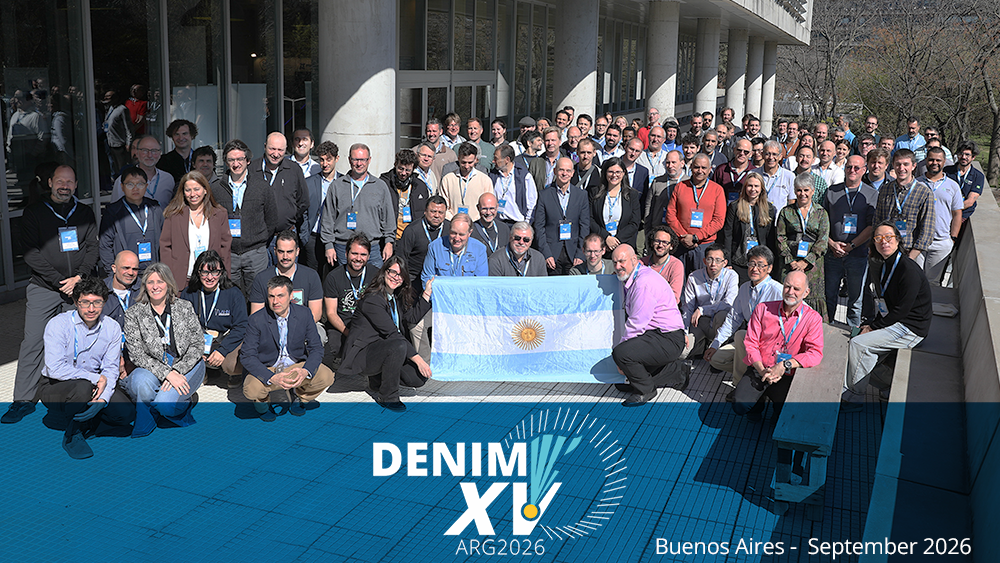
The 15th edition of the Design and Engineering of Neutron Instruments Meeting (DENIM XV) will take place from September 7th to 11th, 2026, in Buenos Aires, Argentina.
Following previous editions held in Europe, North America and Asia, DENIM will be held in Latin America for the first time.
This international meeting brings together specialists, researchers, and technical staff from experimental facilities to exchange experiences and knowledge on the design, engineering, and operation of neutron facilities and instruments.
DENIM XV is organized by the National Atomic Energy Commission of Argentina (CNEA) through the Argentine Neutron Beam Laboratory (LAHN), with the support of the International Society of Neutron Instrument Engineers (ISNIE), a community that currently includes more than 300 specialists from 23 laboratories, universities, and other neutron research institutes across the world involved in the design, operation, and support of neutron infrastructure and instrumentation.
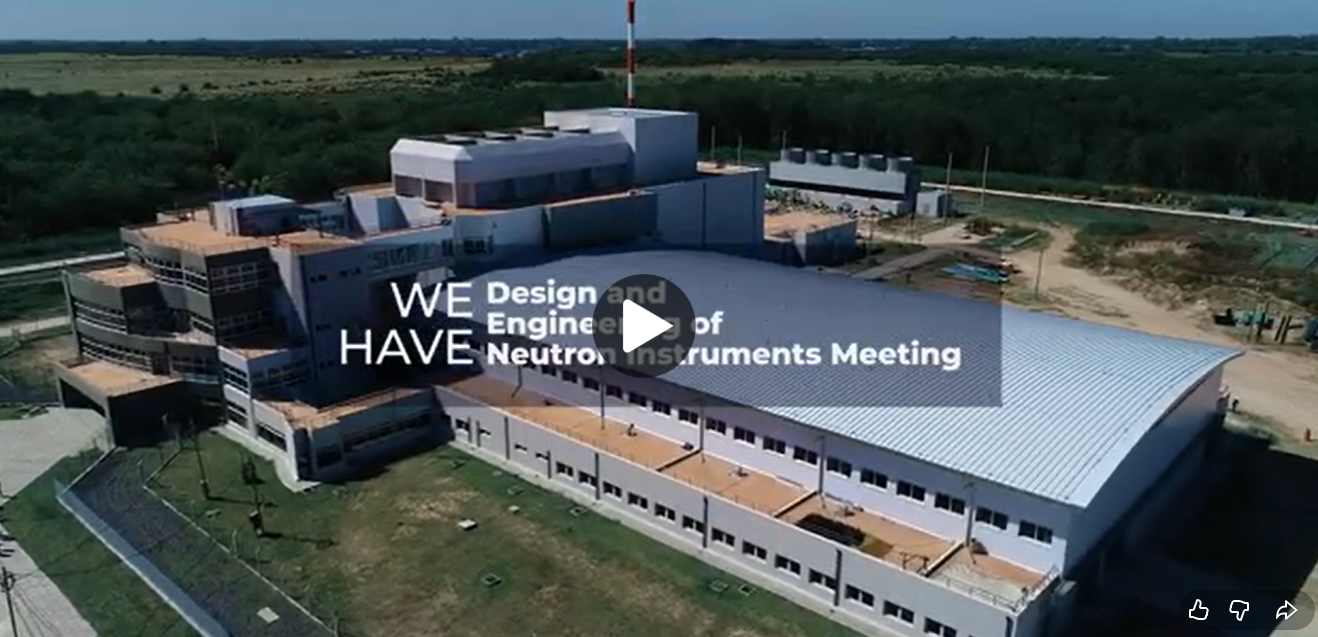
(Click on the image to watch the video)
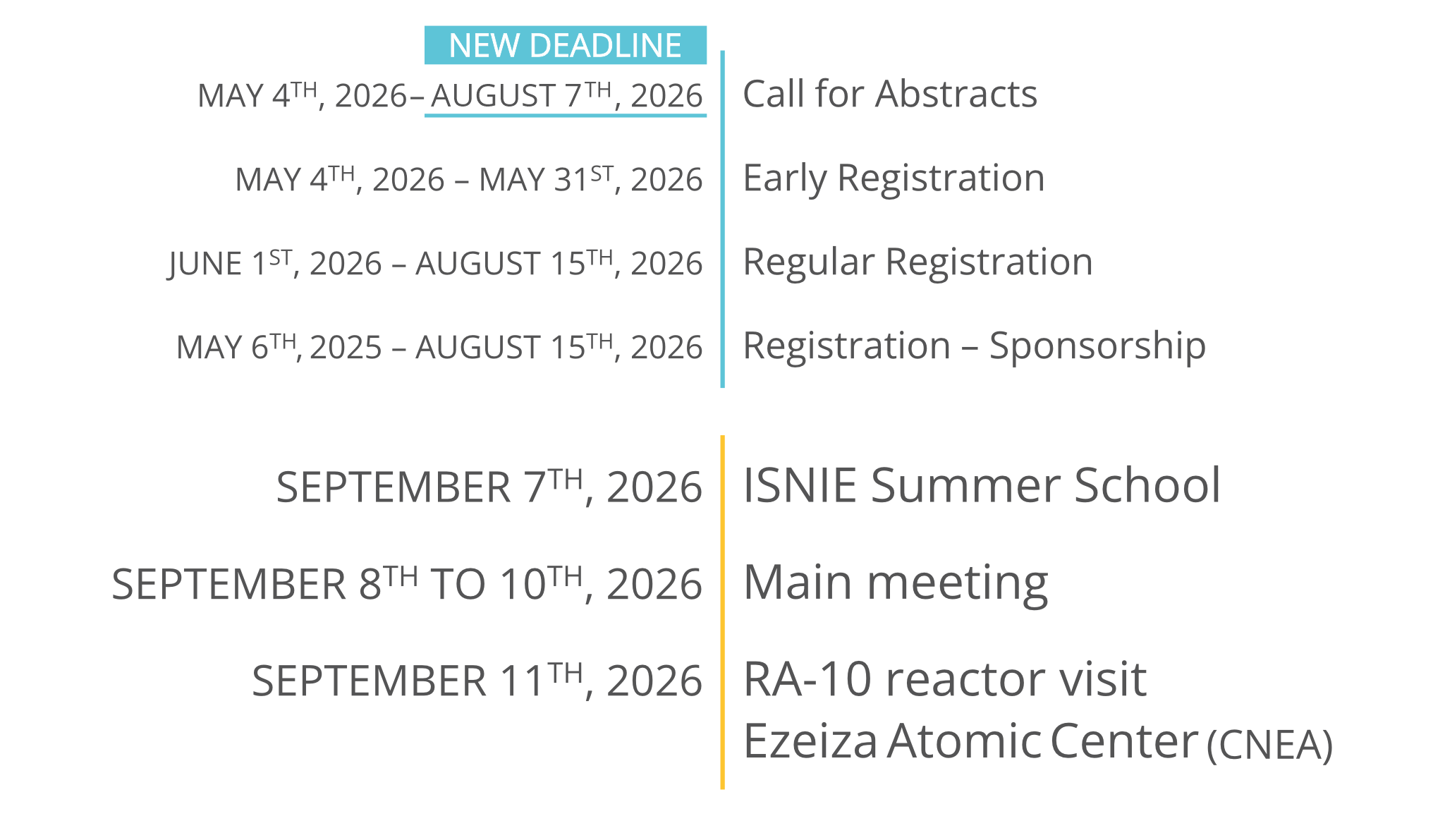
IMPORTANT DATES
LOCATION
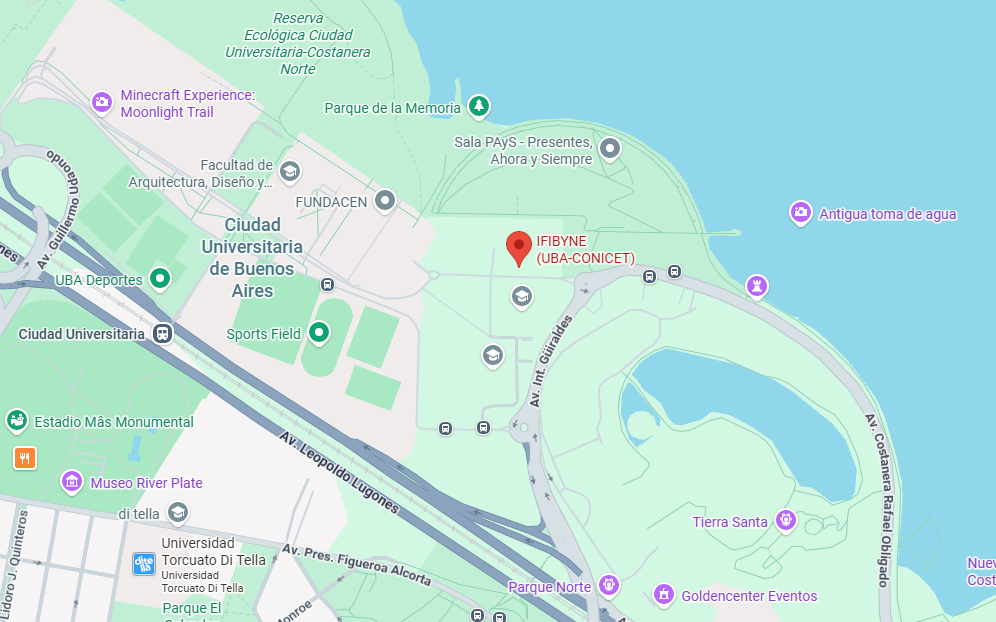
The main DENIM XV meeting will take place at the Institute of Physiology, Molecular Biology and Neurosciences - IFIByNE ( CONICET–UBA).
-
Adress: Pabellón IFIBYNE – ingreso costanera norte – Ciudad Universitaria / Ciudad Autónoma de Buenos Aires, República Argentina – CABA 142
-
Google Maps: https://maps.app.goo.gl/85j9n19HA8nw1qhk7
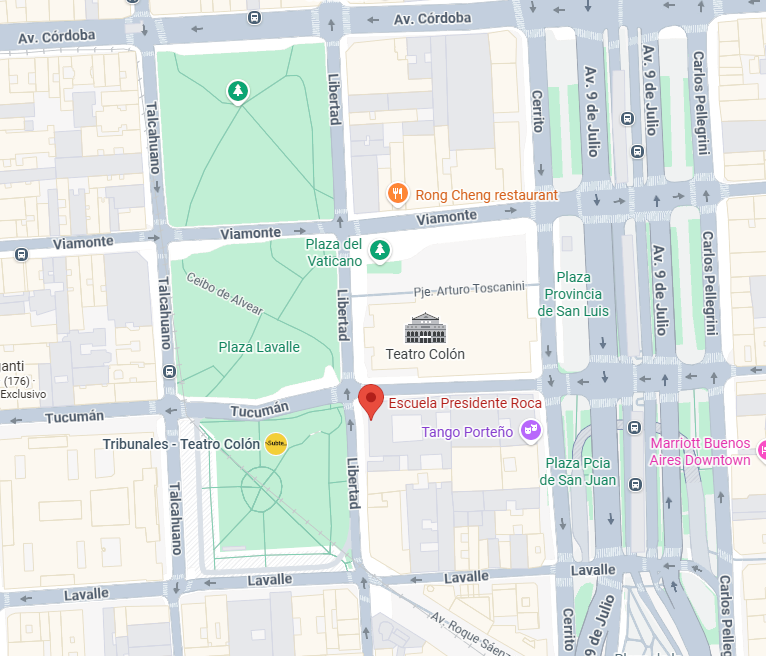
Also, we have arranged a meeting point in the center of Buenos Aires City, from which transportation will be provided for DENIM participants to IFIByNE and Ezeiza Atomic Center (For ISNIE School and RA-10 visit).
Transport meeting point:
Escuela Presidente Roca
-
Adress: Libertad 581, Ciudad Autónoma de Buenos Aires. In front of the Teatro Colón.
-
Maps: https://maps.app.goo.gl/BMYC785HFSkJvBxe9
Pick-up time
DAY |
TIME |
Monday, September 7th |
7:20 a.m |
Tuesday, September 8th |
7:50 a.m. |
Wednesday, September 9th |
8:10 a.m. |
Thursday, September 10th |
8:10 a.m. |
Friday, September 11th |
9:50 a.m. |
> Important: The transportation service includes a return trip to the same meeting point at the end of the day.
OUR SPONSORS
PLATINUM
|
|
 |
 |
 |

GOLDEN
|
|
|
 |
|

SILVER
 |
 |
 |
 |
 |
 |
BRONZE
 |
HOSTING ORGANIZATION
.png) |
.png) |
 |
SUPPORTED BY
 |
 |
fundacionbalseiro.org |
fundacionwilliams.org.ar |
 |
 |
 |
CONTACT
Please remember that for any inquiries, you can contact us at: denimxv@cnea.gob.ar
-
-
9:00 AM
→
5:00 PM
ISNIE SUMMER SCHOOL
-
9:00 AM
→
5:00 PM
-
-
8:30 AM
→
9:00 AM
REGISTRATION - IFIBYNE
-
9:00 AM
→
10:00 AM
Official Welcome
-
10:00 AM
→
10:30 AM
Evolution of neutron beam instrumentation in Argentina: from early Neutron Physics spectrometers to the LAHN Facility at RA-10 30m
The Atomic Energy Commission of Argentina started the development of neutron beam instruments in the early 1970s, by the design, construction and testing of a 17 metres long time-of-flight neutron spectrometer dedicated to Neutron and Reactor Physics studies, using a pulsed neutron source at the 25 MeV electron linear accelerator of Centro Atómico Bariloche. Sustained work on the design, construction, installation and operation of neutron beam instrumentation continued until the present day, with additional beamlines installed at the Bariloche LINAC and at the CNEA research reactors in Buenos Aires and Bariloche, broadening the focus to multidisciplinary applications in materials science, technology, and health. The experience gained over the years contributed to the definition of the scientific and technical scope of the project for the Argentine Neutron Beam Laboratory (LAHN), which will use the neutron beams of the RA-10 reactor for the provision of neutron techniques to the Argentine and Latin American user communities.
This contribution will present a historical and technical overview of operational and decommissioned neutron instruments in Argentina, emphasizing their design goals, main achievements, besides key technical and operational challenges. Furthermore, it will introduce the scientific scope and main technical requirements of the initial instrument suite of the LAHN, and the requirements posed on the neutron delivery system to provide a complete suite of fourteen instruments for
the full scope of the laboratory.Speaker: Javier Santisteban (Comisión Nacional de Energía Atómica-LAHN) -
10:30 AM
→
11:00 AM
COFFEE 30m
-
11:00 AM
→
11:15 AM
NOMAD Secondary Collimation Project Update: From Additive Manufacturing Concepts to a B₄C Sheet-Metal Design 15m
This presentation summarizes the development and deployment of upgraded secondary collimators for the NOMAD diffractometer at the Spallation Neutron Source, building on previously reported prototype studies. The project initially investigated an additively manufactured design based on the hypothesis that hydrogen-rich materials could provide sufficient neutron attenuation through scattering without requiring neutron-absorbing materials. Experimental testing demonstrated that this approach was ineffective, as scattering from the collimators increased background and degraded instrument performance. Subsequent prototype studies evaluated boron-loaded paint, cadmium coverings, and alternative grid spacings, leading to a sheet-metal secondary collimator design incorporating boron carbide (B₄C) as the neutron absorber. The completed system has been installed on NOMAD with favorable results, improving collimation performance while meeting requirements for manufacturability, assembly, and integration with the detector array. This presentation discusses the design evolution, experimental findings, and successful implementation of the final collimator system.
Speaker: Cassandra Scully (ORNL) -
11:15 AM
→
11:30 AM
LEU Fission Plate Design for Order-of-Magnitude Enhancement of UCN Density at LANL 15m
Ultracold neutrons (UCN) enable precision measurements of fundamental neutron properties through their unique ability to be stored and manipulated at velocities below 5-7 m/s. At sufficient UCN densities, these measurements can probe beyond-standard-model (BSM) physics with sensitivity comparable to or exceeding high-energy collider experiments, while also enabling novel applications in surface science characterization.
Current UCN sources are limited by maximum allowable target irradiation currents, constraining achievable densities. We present a low-enriched uranium (LEU) fission plate design that enhances UCN production by a factor of 8-15 without increasing beam current. This approach leverages uranium’s high fission cross-section to amplify the primary neutron flux output from the UCN production target.
Our presentation will detail the design optimization, including: neutron transport modeling, thermal management solutions for elevated heat loads, fabrication methodology, operational lifetime projections, and integration with the existing UCN source design. The fission plate configuration provides an optimal neutron source while mitigating typical challenges associated with high-intensity neutron environments, paving the way for next-generation fundamental physics measurements.
Speaker: Christopher O'Shaughnessy (Los Alamos National Laboratory) -
11:30 AM
→
11:45 AM
Beam axis – Definition, communication, best practice 15m
The beam axis of any neutron instrument is a very important property, with wide-ranging implications for beam shaping, shielding, and component interfaces. New instruments and institutes employ more complex trajectories for their neutron beams to further optimise performance and for operational reasons. While this is not inherently a problem, the precise definition and communication of the axis- and interface-specifications to suppliers is a key challenge to ensure components meet scientists’ requirements. Due to the complex dependencies between subsystems, errors or uncertainties can delay a project significantly.
In this presentation, I outline the aspects of a neutron guide system design affected by the axis layout. I demonstrate different approaches to the beam axis definition used by customers in the past, potential pitfalls, and propose initial guidelines towards best practices that accommodate the uniqueness of individual instruments while enabling clearer, more efficient communication between instrument designers and component suppliers
Speaker: Janno Büchi (SwissNeutronics) -
11:45 AM
→
12:00 PM
Neutron Guide Replacement under Extreme Space Constraints 15m
The REFSANS horizontal reflectometer uses a unique system of focused neutron guides to the cold source to enable advanced reflectometry studies. These rectangular-cross-section guides are twisted and rotate through 90 degrees over a distance of 36 meters. During a recent reactor shutdown, work began on the complete replacement of this specialized guide system, which was already 20 years old.
However, the decommissioning and reinstallation process faced severe spatial and structural constraints, particularly within a transition zone known as the Kasematte. This specific room presents extraordinary logistical hurdles: it is accessible only via a single 80 cm wide entrance, completely lacks crane infrastructure, and possesses a ceiling unsuited for suspended loads. Furthermore, the handling is complicated by two adjacent beamlines with heavy shielding located just 60 cm above the floor. Navigating this environment required maneuvering vacuum vessels weighing two tones each, while maintaining a critical clearance distance between the guides of only 0.5 mm.
This presentation describes the technical solutions, handling equipment, and the procedures implemented to address these geometric and weight requirements. Additionally, the operational experiences and lessons learned from this instrument upgrade under confined conditions will be discussed.
Speaker: Elbio Calzada (Forschungs-Neutronenquelle Heinz Maier-Leibnitz (FRM II)) -
12:00 PM
→
12:30 PM
Novel Collimator Features for SKADI at ESS: Beam Shaping and Operational Efficiency 30m
Abstract
This presentation introduces the new design features implemented in the collimator of the European Spallation Source small-angle neutron scattering instrument SKADI.
The first part focuses on the flexible beam-shaping concept achieved through a set of adjustable slits, allowing a wide range of experimental configurations. The integration of a VSANS option is also presented, extending the instrument capabilities toward very small scattering vectors.
The second part describes the practical and ergonomic features of the telescopic collimator nose. Its foldable design greatly facilitates access during maintenance operations, while its manual extension and retraction can be performed smoothly and with minimal effort, even when the collimator is under vacuum.
These developments aim to improve both instrument performance and operational usability for users and technical staff.
Speaker: Sylvain Desert (ESS) -
12:30 PM
→
2:00 PM
LUNCH 1h 30m
-
2:00 PM
→
2:15 PM
AUSTRALIAN CENTRE FOR NEUTRON SCATTERING DEVELOPMENT PLANS 15m
ANSTO’s Australian Centre for Neutron Scattering (ACNS) currently operates 15 neutron beam instruments. Throughout its continued operation, development plans for the ACNS have evolved to meet the increasing user and capability demand. With insufficient space for neutron beam instruments, sample environment, laboratories, offices, as well as mechanical, electrical, and electronics workspaces, an expansion of the Neutron Guide Hall has been identified and is currently in planning stages. The extension will allow for new neutron guides to be installed, paving the way for additional neutron instruments.
Furthermore, a second guide hall is being scoped, with an intended location on the opposite side of the OPAL Reactor to that of the first guide hall. The second guide hall is anticipated to consist of new instruments that meet the needs of the regional scientific community which are not yet met by our existing instrument suite. This will necessitate significant modifications to the instruments immediately adjacent to the reactor face. One such option is the introduction of a new horizontal cold neutron source at the existing thermal guide 4 location.
Also presented are a selection of development projects currently in progress, including a new curved Helium-3 detector for the Wombat diffractometer, neutron optics for the Pelican time-of-flight spectrometer, and facility-wide upgrades to control systems for the safety interlocks and choppers.
Speaker: Stan Lee (ANSTO) -
2:15 PM
→
2:40 PM
Development of a detector housing for the SKADI instrument at ESS 25m
Forschungszentrum Juelich has developed a new detector system for the SKADI instrument at the ESS neutron source in Sweden. The detector system is based on Li6 scintillator area detectors with multi-anode photomultipliers. The design incorporates two movable detector housings within a vacuum tube, allowing for measurements at various positions. The readout electronics, housed within the detector housing, are actively cooled via external supply lines.
Building on the 2025 presentation at DENIM XIV, this year's session focuses on the challenges and insights gained from designing specialized detector housings with integrated cooling systems.
It will also discuss the development and deployment of a custom installation tool used to position the detector inside a vacuum vessel. Finally, the presentation will highlight key lessons learned from manufacturing critical detector components.Speaker: Dr Romuald Hanslik (Forschungszentrum Juelich GmbH) -
2:40 PM
→
3:00 PM
FPGA-BASED MULTICHANNEL SIGNAL GENERATOR FOR EMULATION OF NEUTRON DETECTOR 20m
The Argentine Neutron Beam Laboratory (LAHN) will incorporate the Advanced Neutron Diffractometer for Engineering and Science (ANDES), one of the instruments developed entirely by the National Atomic Energy Commission (CNEA), which will operate using neutron beams provided by the RA-10 multipurpose reactor. The ANDES position-sensitive neutron detector is a key component of the instrument; whose output is processed by a data acquisition chain comprising front-end electronics, data acquisition hardware, and reconstruction software to determine the impact position of each neutron. This work presents the design basis and current development status of a device that emulates the pulses generated by the detector in response to neutron interactions, producing signals equivalent to those obtained during real measurements. The system reproduces both the amplifier output signals and the constant fraction discriminator (CFD) output signals of the detector. It is implemented in a module compliant with the Nuclear Instrumentation Module (NIM) standard in both mechanical dimensions and power supply. In addition, it includes a custom-developed application that allows the user to define the impact position of an individual neutron or generate predefined event patterns. The system requirements were established through a comprehensive study of the detector operation and the response of its associated electronics, complemented by preliminary tests aimed at characterizing the signals to be emulated. The objective of this development is to provide a tool for validating and developing the complete data acquisition and processing chain without requiring the availability of either the detector or a neutron beam, thereby facilitating integration, maintenance, and future upgrades of the instrument.
Speaker: Mr Alejandro Pinto (CNEA, UTN-HAEDO) -
3:00 PM
→
3:30 PM
Cartographic measurements of neutron backgrounds at the Institut Laue-Langevin 30m
Using a portable thermal neutron detector array, we have performed cartographic measurements of the neutron background in the reactor and experimental halls of the Institut Laue-Langevin. Four panels of twelve tube detectors have been mounted on a movable trolley, together with the required electronics and computing hardware, forming a mobile neutron detection instrument. The detectors are shielded at the rear and arranged in a square geometry, allowing directional information, as well as magnitude and temporal variations of neutron backgrounds, to be obtained. These measurements can be correlated with operational parameters such as reactor power and the open/closed status of neutron shutters, guides and instrumentation.
Depending on the instrument class, experimental practices and, in some cases, oversights in design and construction, some neutron instrumentation can release non-negligible neutron fluxes into the surrounding environment. These neutrons form a diffuse ‘neutron gas’ or ambient neutron field which, while generally of little radiological significance, can increase and modify the background observed by neighbouring instruments.
Recent infrastructure modifications implemented to comply with earthquake resistance requirements have significantly altered the shielding of neutron guides passing from the reactor building to the guide halls. These changes have resulted in a degraded environmental neutron background, negatively affecting the performance of some instruments. Cartographic measurements using thermal neutron detectors allow the spatial distribution and potential sources of environmental neutrons to be identified, providing a route towards reducing neutron background and improving instrument performance.
Speaker: Charles Dewhurst (Institut Laue Langevin, Grenoble, France) -
3:30 PM
→
4:00 PM
COFFEE 30m
-
4:00 PM
→
4:15 PM
Seismic Analysis Criteria and Methodology for Shielding Components in Neutron Instruments: A Case Study 15m
One of the main challenges in the design of neutron scattering instruments is the design of their shielding structures. These must provide adequate radiological protection for the working area surrounding the instrument, while also being mechanically feasible to fabricate and having their structural capacity verified according to nuclear industry standards. This work presents the seismic verification criteria and methodology developed for the shielding and support structures of the ANDES instrument (Advanced Neutron Diffractometer for Engineering and Science), and illustrates its application through a representative case study.
The methodology is based on the equivalent static method, in which the seismic demand is represented by an equivalent static force derived from the peak acceleration of the floor response spectra (or the zero-period acceleration, ZPA, when the component's fundamental frequency exceeds 40 Hz), affected by a conservative static coefficient. Two seismic levels are considered, an Operating Basis Earthquake (SL-1) and a Safe Shutdown Earthquake (SL-2), each associated with a different service level and corresponding stress-intensity acceptance limits, following ASME Section III NF (Design by Analysis) criteria. In addition to stress verification, rigid-body motion checks (sliding and rocking/overturning) are performed following simplified ASCE 4 procedures, comparing the seismic shear and overturning moment at the support interface against the frictional and restoring resistance, respectively.
A key modeling challenge addressed in this work concerns the mechanical interaction between shielding blocks. Since the individual shield boxes rest on one another without rigid connection, two limiting modeling assumptions are possible: treating the interfaces as fully bonded, which overestimates stiffness and does not reflect the real load path between parts, or treating them as fully separated (unbonded), which increases flexibility and can amplify seismic demand disproportionately. The friction coefficient and the interlocking interfaces between surfaces (such as pins or coupling plates) play a central role in this assessment, since they govern whether adjacent blocks slide or move relative to one another under seismic acceleration. The work discusses how these considerations are combined in practice, using hand calculations to bound the problem and finite element models to refine the stress verification where geometry and boundary conditions are more complex.
Results are presented for the Polychromatic Beam Shielding (SS 0204) of ANDES as an example case. The results obtained show that the developed methodology allows the seismic behavior of the shielding to be characterized with an adequate level of confidence, combining analytical and numerical tools to identify the governing failure modes. These results illustrate how the combination of simplified analytical checks and finite element modeling supports a practical, conservative seismic qualification process for shielding components.Speaker: Agustín Hernández Rocha (Comisión Nacional de Energía Atómica) -
4:15 PM
→
4:30 PM
Scattering Chamber Design for the Cold Neutron Direct Geometry Inelastic Spectrometer at CSNS-II 15m
The cold neutron direct geometry inelastic spectrometer(CNIS) is one of the planned instruments for the CSNS-II project. The scattering chamber, located at the instrument's end, features a semi‑fan shape covering an angular range of –30° to 138°, with a volume of ~75 m³, a height of ~4 m, and is made of stainless steel. The chamber provides interface for sample environment, supports installation of 1‑inch ³He tubes (3 m length), and maintains a high‑vacuum, low‑background environment at 5×10⁻³ Pa. Detectors operate in “airbox” mode: high‑voltage interfaces, preamplifiers, and digital circuit boards are housed in airtight boxes, connected externally via bellows; the tube high voltage is independent of chamber vacuum. Inside, 12 detector support bases (each accommodating 4 detector units, each unit containing 8 ³He tubes) and one circular guide rail are installed. A maintenance carriage on the rail rotates around the centre to facilitate installation and removal of detector units. Four DN400 top flanges allow crane‑assisted handling of detector units. Eleven isolating plates are mounted between the detector support bases. The detailed design is complete, and the chamber is currently under fabrication. This abstract presents the structural design, detector maintenance procedures, and vacuum system rationale.
Speaker: Songwen Xiao (Institute of High Energy Physics, Chinese Academy of Sciences) -
4:30 PM
→
6:00 PM
DENIM CHALLENGE 1h 30m
-
6:00 PM
→
8:00 PM
WELCOME TOAST 2h
-
8:30 AM
→
9:00 AM
-
-
9:00 AM
→
9:30 AM
Shaping the Future of Neutron Science: ILL's Science Strategy and Long-Term Vision 30m
Following the completion of the Endurance programme, the ILL is the world's leading facility for neutron science, offering the largest suite of state-of-the-art instruments and operating up to 170 days per year.
I will present the ILL's recent achievements in instrument operation, neutron technology, sample environment, and data science. We have developed a new Science Strategy for the coming years, introducing initiatives such as Science Hubs and Showcase Experiments to strengthen the contribution of neutron science to addressing major societal challenges and to reinforce collaboration with industry.
We are also developing the Institute's long-term strategy to build the momentum needed to sustain ILL's operation over the coming decades while helping to shape the future European neutron landscape.
Speaker: Jacques Jestin (Institut Laue Langevin) -
9:30 AM
→
9:45 AM
Challenges faced when 3D printing shielding components for neutron instruments 15m
3D printing is a proven manufacturing method used in all industries, enabling manufacture of forms that would be near impossible using traditional manufacturing techniques. Neutron instruments often require components with demanding geometries and quality requirements, such as thin-walled collimators. In this work, new techniques have been developed to overcome some of the challenges faced when 3D printing with custom-made neutron shielding filaments, such as Boron Carbide and Gadolinium Oxide filaments. When using traditional 3D model slicer software, the user is at the mercy of the slicer algorithm to determine the printhead path routing, which can leave scarring across the delicate printed object. This talk will demonstrate a strategy used to create optimised and deliberate printhead path routing which results in collimator geometry with defect free internal channels.
Speaker: Joel Allan Hodder (ISIS) -
9:45 AM
→
10:00 AM
To make something new out of the old 15m
Following the Fukushima accident, all nuclear and sensitive facilities have had to address new requirements. One of the most challenging issues is ensuring that all facilities can withstand earthquake intensities previously unimaginable.
Like power plants, the ILL is required to ensure that all safety equipment can withstand an “SND” earthquake with an intensity twice that of the region’s most powerful earthquake in the past 1,000 years.
Numerous backup systems and reinforcements have been implemented since then, and the latest safety systems are currently being modified to bring the facility into compliance with the new safety standards.
I am in charge of the latest work on the casemates and will attempt to give a presentation highlighting the challenges of bringing an old facility into compliance with the latest regulatory requirements.
Speaker: Benjamin Giroud (ILL) -
10:00 AM
→
10:15 AM
Post-HBRR Common Vacuum Housing Shielding on HB4 at the High Flux Isotope Reactor 15m
The High Flux Isotope Reactor at Oak Ridge National Laboratory is plan-
ning the replacement of the permanent beryllium reflector. During this outage,
all of the cold guide hall instruments will be removed and reinstalled with new
supermirror guides, vacuum casings, and modifications/replacement of some ex-
isting shielding. The new Cold Guide Hall guide network will have six primary
neutron beamlines rather than the current four, which presents challenges due
to limited spacing of the neutron beamlines. Additionally, streaming of neutrons
and gammas through the vacuum network into the cold guide hall must be mit-
igated for personnel dose reasons. The current status of the planned vacuum
network through the HB4 tunnel and shielding updates will be discussed.Speaker: Kyle Grammer (Oak Ridge National Laboratory) -
10:15 AM
→
10:30 AM
Generation of correlated surface source distributions for Monte Carlo shielding calculations 15m
The design of shielding for neutron instruments often requires the reactor model to be decoupled from the instrument model, allowing multiple calculations to be performed without transporting particles from the reactor core during every design iteration. This approach requires an accurate and efficient representation of the neutron and photon fields at the interface between both models.
MCNP provides different approaches for transferring particle distributions between independent calculations. Surface source files (SSR/SSW) preserve complete particle histories but may become impractical when high spatial, energy and angular resolution is required because of the large file sizes involved. Alternatively, source distributions can be reconstructed from surface current tallies and implemented through the SDEF card. However, this approach requires extensive data processing and cannot fully reproduce the angular phase space, since arbitrary azimuthal distributions relative to the local surface normal cannot be represented.
Custom MCNP user routines based on tallyx and sourcex were developed to record and sample discretized surface source distributions directly within the transport code. The source is represented by a set of conditional probability distributions for the spatial, energy and angular variables of the particle phase space. This formulation preserves the correlations between position, energy and direction, including the azimuthal angle.
The proposed methodology is tested against conventional track-based sources and SDEF-generated source distributions. Neutron and photon flux distributions evaluated along the instrument axis in several energy groups are used to compare the results obtained with the three source representations. The comparison is performed for the ASTOR and ANDES neutron instruments of the Argentine Neutron Beam Laboratory (LAHN).
Speaker: Santiago Bazzana (Comisión Nacional de Energía Atómica, Instituto Dan Beninson (UNSAM)) -
10:30 AM
→
11:00 AM
COFFEE 30m
-
11:00 AM
→
11:15 AM
Post-Endurance instruments projects at the ILL 15m
The ENDURANCE program at the ILL lasted several years and ended in 2024. It allowed the renovation of two major neutron distribution guides and the design and installation of several instruments.
Despite this recent milestone, a constant stream of modernization ideas and upgrades have shown once more that in order to consolidate existing strenghts and to adapt to new societal challenges a constant evolution is the key. The most recent examples of new instrument designs are going to be presented.Speaker: Giuliana Manzin (Institut Laue Langevin) -
11:15 AM
→
11:30 AM
Moderator Test Station at the Spallation Neutron Source: Final Design, Project Lessons Learned, and Path to Operations 15m
The Spallation Neutron Source (SNS) at the Oak Ridge National Laboratory currently operates up to 2 MW and 1.3 GeV at the First Targe Station. With the power increase from the Proton Power Upgrade project realized, future performance improvements will increasingly depend on advances beyond the accelerator, including optimization and novel developments in moderator design and operation. The future Second Target Station, also located at SNS, will establish a new benchmark for moderator brightness at a short-pulse neutron facility. Together, the two target stations will provide complementary capabilities that expand the scientific reach of the SNS user program.
Moderators are often cryogenic, hydrogenous vessels positioned adjacent to neutron-producing targets that tailor neutron energy distributions for the instrument suites they serve. Many moderators also incorporate neutron poisons, such as cadmium or gadolinium, to further shape the temporal characteristics of the neutron pulse. Moderator geometry, materials, operating media, and thermal conditions all have a significant influence on the brightness, pulse shape, and overall performance of the neutron beam delivered to scientific instruments.
At SNS, moderators are integrated within the Inner Reflector Plug (IRP), a complex assembly that is typically replaced only once every five years. The development, qualification, and integration of updated moderator designs begin many years before installation, leaving limited opportunities to validate new concepts under representative operating conditions. Because moderator performance cannot be readily adjusted after installation, reducing technical risk through prototype testing is essential.
The Moderator Test Station (MTS) at SNS is being developed to provide a dedicated platform for the evaluation and optimization of next-generation moderator technologies. Numerous promising moderator concepts have the potential to significantly improve neutron brightness and pulse characteristics but require experimental validation prior to deployment in an operating target station. By providing an on-site test facility, MTS will accelerate the maturation of new moderator designs for both the First and Second Target Stations while reducing implementation risk. The MTS project has completed final design, including supporting development activities, and has entered the procurement phase. This presentation will provide an overview of the completed design, summarize the key development and testing efforts that informed it, along with lessons learned, and discuss the upcoming installation activities that will enable accelerated development of future moderator technologies at SNS.
Speaker: Kevin Johns (Oak Ridge National Laboratory) -
11:30 AM
→
11:45 AM
Development and implementation of neutron instruments in RA-10 Reactor 15m
LAHN (Argentine Neutron Beam Laboratory Research Centre) is currently working on the development and implementation of neutron instruments, with a range of characteristics and applications, which will be installed at the RA-10 facility.
On the one hand, ANDES (Advanced Diffractometer for Engineering and Science) and ASTOR (Advanced System for Tomography and Radiography) instruments, which are being developed from the concept stage through to operation and will be installed in the Reactor hall. Moreover, on the other hand, the polarised neutron reflectometer, the SANS MP (Small-angle Neutron Scattering – Multi-purpose) and the SANS MB (Small-angle Neutron Scattering – Soft Matter), which originate from other international facilities and will be adapted and installed in the reactor’s guide hall.Development and implementation of the aforementioned instruments require the planning, coordination and execution of various activities (calculation, design, specification, procurement, manufacture, assembly, commissioning) and involve interdisciplinary working groups from different technical fields (mechanics, shielding, automation and control, optics, etc.) which address issues specific to the instruments as well as others that may be cross-cutting. Furthermore, many of the components that make up the instruments are highly sophisticated due to the performance required by their design and their functionality under adverse radiological conditions. Component development strategies vary and depend largely on the capabilities, resources and timeframes available within the institution to address them. Currently, the detailed engineering of the instrument components is nearing completion, and the critical components are already at the manufacturing stage.
These highly complex projects represent a scientific and technological challenge for the institution and, given their current stage of development, it is expected that their implementation will make a significant contribution to research and development in the nuclear field.Speaker: Martín González Fuster (Comision Nacional de Energia Atomica) -
11:45 AM
→
12:00 PM
ORNL HFIR Cold Triple Axis Drum Reuse for MANTA 15m
Multi Analyzer Neutron Triple Axis (MANTA) is a proposed instrument for The High Flux Isotope Reactor (HFIR) on NB-6 beamline of the enhanced multiple guide system planned for the next HFIR Beryllium Reflector Replacement (HBRR). The instrument will reuse the CG-4C Cold Source Triple Axis (CTAX) drum and backend. This permits use of existing conventional Sample Environment Equipment (SE) and SE upgrades.
Speaker: Greg Warren (ORNL) -
12:00 PM
→
12:15 PM
Development and implementation of ASTOR instruments in RA-10 Reactor 15m
The LAHN is currently working on the development and implementation of neutron instruments, with a range of characteristics and applications, which will be installed at the RA-10 facility,
ASTOR (Advanced System for Tomography and Radiography) instruments, which are being developed from the concept stage through to operation and will be installed in the reactor hall, require the planning, coordination and execution of various activities (calculation, design, specification, procurement, manufacture, assembly, commissioning) and involve interdisciplinary working groups from different technical fields (mechanics, shielding, automation and control, optics, etc.).
The presentation summarizes the progress status of the ASTOR Project, addressing the main technical and management workstreams. It outlines the evolution of the project's overall schedule, including the update of milestones and the planning of critical activities. It also presents the progress in the assembly and alignment of the primary collimator, the verifications carried out to ensure compliance with the design tolerances, and the preparatory tasks for its integration with the instrument.
It also reports the development status of the collimator drum, covering the basic engineering and the procurement process for its manufacturing and supply.
Regarding the bunker, it describes the progress in the design and manufacturing of its main components, the progress of the cold assembly to validate interfaces, alignments, tolerances, and assembly sequences, and the planning of the final assembly in the Hall, including the considerations for future maintenance and disassembly tasks. Taken together, these advances help reduce risks during the final installation and ensure the proper integration of the ASTOR system into the LAHN.Speaker: Alejandro Fasciszewski (CNEA) -
12:15 PM
→
12:30 PM
LoKI’s Transition to Operations: Commissioning, Upgrades, and Operational Readiness of ESS’s First SANS Instrument 15m
LoKI, a small-angle neutron scattering (SANS) instrument, is one of the first instruments to come online at the European Spallation Source (ESS). The instrument recently passed Toll-Gate 5 (TG5), a major milestone marking the completion of the instrument System Acceptance Review (SAR) and Safety Readiness Review (iSRR). This milestone represents LoKI’s transition from construction and cold commissioning toward operation.
Since achieving TG5 in early 2026, significant effort has been focused on preparing LoKI for operations through continued instrument commissioning, system upgrades, automation development, and establishment of operational processes. This contribution highlights recent activities undertaken to support operational readiness, including completion of the detector upgrade project, commissioning of sample environment systems, validation of data acquisition and processing pipelines, and development of standardized measurement and maintenance scripts.
In addition to technical commissioning activities, preparation for operations has included the development of operation and maintenance procedures, shutdown and startup sequences, maintenance tracking strategies, spare parts management, and improvements to supporting infrastructure such as sample storage and operational documentation.
This talk provides an overview of the recent activities undertaken to prepare LoKI for reliable user operation and presents the planned work for the remainder of the year in preparation for Beam on Target (BoT).
Speaker: Hannah Burrall (European Spallation Source, 224 84 Lund, Sweden) -
12:30 PM
→
2:00 PM
LUNCH 1h 30m
-
2:00 PM
→
3:30 PM
POSTER SESSION
-
2:00 PM
Design of the Bulk Insert Adjustment Mechanism for the CSNS-II#3 Liquid Neutron Reflectometer 10m
The bulk insert is a key shielding-penetration component in the CSNS-II project. Its inner end faces directly toward the target center, while its outer end connects to the external environment; consequently, the neutron guide housed within the bulk insert cannot be locally adjusted near the target side. Thus, the design of the adjustment mechanism for the bulk insert is critical for ensuring the collimation accuracy of the neutron optical path and the feasibility of operation and maintenance.
For the bulk insert of the Liquid Neutron Reflectometer (LNR) in the CSNS-II project, a frame-type adjustment mechanism is adopted. The mechanism mainly comprises a support frame, a worm-gear remote adjustment system, and a fine-adjustment transition plate. The overall dimensions are 1198 mm in length, 578 mm in width, and 754 mm in height, with a total mass of approximately 2 tons. Equipped with one set of vertical (elevation) worm-gear adjusters and one set of horizontal worm-gear adjusters, the mechanism enables remote independent control of two elevation points and two horizontal points from the external side, with an adjustment range of no less than ±5 mm in each direction. In addition, two sets of dowel-pin positioning devices are incorporated in conjunction with the bulk insert to guarantee repeated positioning accuracy after installation. At present, the detailed design has been completed, and the mechanism is about to enter the manufacturing stage.
This abstract systematically presents the structural composition, functional parameters, and current status of the bulk insert adjustment mechanism, which may serve as a reference for the remote alignment design of similar shielding penetrations. -
2:00 PM
Engineering Progress on the Liquid Neutron Reflectometer at CSNS 10m
The first horizontal-geometry liquid neutron reflectometer (LNR) of China is now being constructed in China Spallation Neutron Source (CSNS), which is designed to complement the existing vertical-geometry reflectometer and address the urgent demand for in-situ characterization of gas-liquid, liquid-liquid, and solid-liquid interface structures in colloid chemistry, biomedicine, advanced energy, friction, corrosion, and other research fields.
The physical design of this instrument has been fixed since May 2026 and is currently in the engineering design phase. Its crucial design specifications are as follows: the momentum transfer (q) coverage ranges from 0.04 to 6 nm⁻¹, the minimum measurable reflectivity is approximately 10⁻⁶, the resolution (Δq/q) ranges from 2% to 10%, and the neutron flux at the sample position is approximately 3×10⁷ n/cm²/s (@300 kW). The key engineering solutions are outlined below:
An optimized neutron guide system is adopted to pursue high neutron flux. In the vertical plane, a downward-tilting straight neutron guide with a natural dip angle of 1.3° is employed, while in the horizontal plane, an elliptical focusing neutron guide with an exit aperture of 50.5×30 mm is configured. This design improves the neutron flux at the sample position while maintaining the uniformity of the neutron beam.
A flexible incident optical path adjustment function is implemented. The instrument integrates a dual-mode configuration of slits set and mirrors, supporting upper-incident angles ranging from 0.2° to 5.3° and lower-incident angles ranging from -0.18° to -2.7°, thus achieving a wide q-value coverage.
Both reflectometry and grazing incidence small-angle neutron scattering (GISANS) modes are realizabled. The mirrors system can be interchanged with a collimations system, and the detector can be positioned along the beam path between 18 m and 21.5 m from the sample, which enable complete characterization of the three-dimensional structure of thin films.
Advanced spectrometer components will be configurated. A T0 chopper combined with shielding is used to suppress fast neutron background. A six DOF sample stage with dual vibration isolation mechanisms (load capacity: 500 kg, positioning accuracy: 0.01 mm) can meet the requirements of various sample environments. A large vacuum scattering chamber (6×2.5×3 m) can further reduces the background noise. A large-area high-performance ³He-GEM detector (600×1000 mm, position resolution ≤2 mm, detection efficiency ≥70%@6 Å) can enables full realization of all functions in one installation.
At present, detailed engineering designs of the neutron guides, shielding components and scattering chamber are in progress. The developments of sample environment equipments including the Langmuir trough, liquid-liquid/solid-liquid sample cells, and variable-temperature/high-pressure/vacuum devices are also being carried out simultaneously. The completion of this instrument will fill the blank in horizontal-geometry liquid interface neutron reflectometry research in China, and provide a unique in-situ research platform for soft matter, biological interfaces, and energy materials.
Speaker: Wenting Du (Institute of High Energy Physics, CAS) -
2:00 PM
NEW NUTATOR FOR SPHERICAL NEUTRON POLARIMETRY 10m
An important area of fundamental research with neutrons is the investigation of magnetic materials. Spherical neutron polarimetry (SPN) can be used. For this, a spin-polarized neutron beam is used, which hits the sample and the scattered intensity is then measured with detectors. In order to adiabatically rotate the polarity of the neutron beam in the required direction, a rotatable magnetic field is required, one possibility being a so-called nutator. With this device, the transverse magnetic directions of the neutron beam are guided and can be turned with a set angle.
For POLI (Polarized Hot Neutron Diffractometer), an instrument of Forschungszentrum Jülich, a new Nutator design has been developed and manufactured by Institute of Technology and Engineering (ITE) of Forschungszentrum Jülich GmbH, to be compatible with the new in-situ SEOP polarizer setup. The new nutators are based on so-called Halbach-rings consisting of different NdFeB magnets. With those permanent magnets, electromagnetic coils are no longer necessary. The arrangement and selection of the permanent magnets is based on magnetic simulations carried out by the ITE.
The Nutators consist of a total of 20 rings, made up of 3 different magnetic configurations. Two of the configurations are rotated, while the third remains fixed. In addition, there is an option to adapt further magnetic rings on each side. These additional rings stabilize the polarized beam at the entrance and exit, so the nutators are adjustable for each requirement. In the previous nutator prototype, the Halbach-rings rotated simultaneously with an angular offset, which required a gearbox. This is no longer necessary with the new magnet configuration. Here, multiple rings could be grouped into two ring assemblies, in addition some magnetic rings can be fixed.
As a result, only two rotary tables were needed as a less complex but effective drive. For this, rotary tables of the company standa where used, which have the demanded accuracy of 0.1 degree. The ring housings are printed by FDM (fuses deposition Modeling) and is made of PETG. The position of the nutator is adjustable in all directions, in the plane with screws, in the height over adjustable machine-foots.
Polarized Neutrons, Nutators, Halbach Magnets, Spin Manipulation, SEOP, FDM
Submitting Author: a.nyc@fz-juelich.de
Speaker: Adrian Nyc (Jülich Centre for Neutron Science JCNS, Forschungszentrum Jülich, Garching, Germany) -
2:10 PM
Shutter Design for the Primary Beam of the LaDiff Triple-Axis Spectrometer 10m
The cold triple-axis spectrometer (TAS) FLEXX at HZB was a highly successful instrument that underwent several upgrades during its operation [1–4]. Preserving its capabilities for the neutron scattering community has been a major motivation for the development of the new LaDiff instrument at MLZ. In particular, LaDiff addresses the current lack of Larmor diffraction (LD) [5–6] and, as a natural extension, neutron resonance spin echo (NRSE) capabilities while utilizing the proven TAS concept as its backbone.
Here we present the design of the primary neutron beam shutter developed for LaDiff. The shutter consists of two vertically moving lead elements that open and close symmetrically about the beam center. A geared coupling synchronizes the motion of both elements and provides a passive fail-safe mechanism. In the event of a power or compressed-air failure, gravity automatically closes the shutter. This counterbalanced design also significantly reduces the required actuator force, since the pneumatic cylinder only has to overcome the weight difference between the two shutter elements rather than their combined weight. In addition, a neutron beam attenuator is integrated on the rear side of the shutter, providing a compact and space-efficient solution.
[1] M. Skoulatos et al., NIMA 647, 100 (2011).
[2] M.D. Le et al., Nucl. Instr. Meth. Phys. Res. A 729, 220 (2013).
[3] F. Groitl et al., Rev. Sci. Instrum. 86 025110 (2015).
[4] K. Habicht et al., EPJ Web of Conferences 83, 03007 (2015).
[5] M.T. Rekveldt, Jour. Appl. Phys. 84, 31 (1998).
[6] M.T. Rekveldt et al., Europhys. Lett. 54, 342 (2001).
Zahreddin D1, Hertwig M1, Georgii R1, Keller T2, Tralmer F2, Skoulatos M1
1 Heinz Maier-Leibnitz Zentrum (MLZ), Technische Universität München, Garching, Germany
2 Max Planck Society Outstation at the Heinz Maier-Leibnitz Zentrum (MLZ), Garching, GermanySpeaker: Daniel Zahreddin (TUM FRM II) -
2:10 PM
THE ESSENTIAL PARTNERSHIP: COLLABORATIVE EFFORTS BETWEEN DESIGN ENGINEERS AND ENGINEERING TECHNICIANS 10m
Problem
At the NCNR we have encountered issues during instrument installations and maintenance where it would have been beneficial to obtain firsthand knowledge on how an engineering technician would perform a task. Topics such as specific tooling, rigging for lifting, order of assembly, access for maintenance etc. Consulting with technicians during design reviews provides valuable information during design phase.Abstract:
The collaboration between neutron scattering design engineers and engineering technicians is essential to the successful development, implementation, and maintenance of neutron instrumentation systems. This interaction bridges the gap between high-level conceptual design and practical realization, ensuring that complex scientific instruments meet both performance specifications and operational reliability. Design engineers provide theoretical models, detailed schematics, and simulation data that guide the creation of neutron scattering instruments, while engineering technicians apply hands-on expertise to prototype, assemble, test, and troubleshoot mechanical, electrical, and control systems. Effective communication, feedback, and mutual understanding of constraints—such as manufacturability, safety, and maintenance requirements—enhance efficiency and reduce the risk of design flaws. This interdisciplinary relationship not only accelerates the development cycle but also contributes to the continuous improvement of instrument design and performance through innovations derived from practical experience.Speaker: Doug Johnson (NIST Center for Neutron Research) -
2:10 PM
Upgrade of the Compact Rotary Platform for the KOMPASS Helmholtz Coil System: Integration of a Non-Magnetic Worm Gear for Torque Enhancement 10m
For polarization analysis experiments at the cold neutron triple-axis spectrometer KOMPASS, a precisely aligned magnetic field of up to 20 x 10-4 T is required, generated by a specialized Helmholtz coil system. To prevent reflection interference of the neutron beam at the coil segments, a custom-designed, non-magnetic, low-profile rotary platform was developed.
During initial testing of the previous version featuring a direct timing belt drive (1:12 ratio), torque limitations and friction-related blockages were encountered, preventing reliable rotation of the 42 kg payload.
This contribution presents the further development of the drive system to address these limitations. By designing and integrating a specially adapted worm gear (1:20 ratio), the available torque was significantly increased without compromising the strict low-profile height constraints. Additionally, the high gear reduction improves positioning precision. All components were manufactured from non-magnetic materials to eliminate any influence on the magnetic field. The poster outlines the mechanical design, material selection, and test results of the optimized rotary platform.
Speaker: Manuel Müller (Forschungs-Neutronenquelle Heinz Maier Leibnitz (FRM II)) -
2:20 PM
DIFFRACTOMETER FOR RESIDUAL STRESS ANALYSIS INSTRUMENT UPGRADE 10m
The NCNR has upgraded and added new capabilities to the Diffractometer for Texture and Residual Stress (DARTS) The purpose of the instrument is to non-destructively measure tri-axial residual stresses in industrial parts and structural materials at spatial resolutions 1 mm3. Stresses are determined from the measurement of elastic changes in the interatomic lattice spacing at depths up to several centimeters. Another important application is the measurement of sheet metal yield functions using specialized straining devices. Here, the neutron measurement of applied multi-axial stresses is combined with simultaneous strain measurements based on digital image correlation (DIC).
The upgraded instrument now features a large, high-pressure 10 bar 3He area detector (25 cm 38 cm) for high-efficiency neutron detection. Optimized neutron flux on the sample is provided by single and multi-wavelength Si-Crystal mono¬chromators with variable curvature. Sample environment equipment consists of two multi-axial high-capacity straining devices (shear device and Octo-strain), a uni-axial load frame, separate sample stages for small and large samples, and a digital image correlation system for the measurement of plastic strain during multiaxial loading.
Octo-Strain has eight individually controlled actuators (40 kN each) that can produce strain paths and straining modes common in sheet metal forming. Compressive stresses are possible but may need anti-buckling measures. The shear device has two actuators for producing a variety of shear deformation modes. Both devices can be rotated (Octo-strain: 190; shear device: 135) to allow different measurement directions necessary for determining the stress tensor and the principal directions of deformation.Speaker: Ed Binkley (NIST Center for Neutron Research) -
2:20 PM
Rotation Stress Rig for Combined Tensile–Torsional In Situ Neutron Imaging and Diffraction at ESS 10m
Understanding the behaviour of engineering materials under complex loading conditions requires experimental systems capable of reproducing realistic mechanical states while allowing the evolution of internal features to be investigated. Neutron imaging and diffraction are powerful complementary techniques for studying deformation, strain development, and damage mechanisms in bulk materials. Their application under mechanical loading requires dedicated sample environments that combine high load capacity with compatibility with neutron instruments.
This work presents the design and construction of a compact rotation stress rig developed for in situ neutron imaging and diffraction experiments at the European Spallation Source (ESS). The rig has been designed to investigate materials subjected to combined tensile and torsional loading, with the possibility of applying axial force and torque independently, simultaneously, or in different loading sequences. Continuous rotation of the specimen during loading enables future imaging experiments, including neutron tomography, under controlled mechanical conditions.
The system can apply axial loads up to 50 kN and torques up to 5 kNm while maintaining continuous 360° rotation. Particular attention has been given to the constraints imposed by neutron instrumentation, including limited available space, portability, and integration with the ESS Sample Environment System. The complete assembly has a mass below 50 kg, allowing installation and handling by two operators. Aluminium has been selected for most components to reduce neutron activation, while stainless steel is used only for highly loaded elements where additional mechanical strength is required.
The rig has been manufactured and assembled and is ready for commissioning at ESS. The developed design provides a flexible platform for future neutron imaging and diffraction experiments aimed at studying deformation and fracture processes in engineering materials under complex mechanical loading.Speaker: Luca Sagliano (European Spallation Source) -
2:20 PM
Vertical drive for two polarizers at RESEDA (Project TIGER (Thermal mIeze for GreatEr Ranges)) 10m
The TIGER project comprises the development, construction, and commissioning of the world's first thermal MIEZE spin-echo option at the resonant neutron spin-echo spectrometer RESEDA. Its objective is to extend the accessible parameter range of RESEDA towards higher momentum and energy transfers while maintaining the highest energy resolution through the additional use of thermal neutrons with wavelengths down to 2 Å.
Operation of the system requires an additional polarizer specifically designed for thermal neutrons, which will be placed vertically above the present polarizer for cold neutrons. In addition, the setup incorporates a vertical drive mechanism for positioning the two vertically stacked polarizers. During each automated exchange, the final position of each polarizer relative to the neutron guide must be reached with high precision and reproducibility. A positioning tolerance of ±50 µm in the x-, y-, and z-directions must be maintained.
To ensure this level of accuracy, the drive mechanism must be mounted on a mechanically rigid support structure. This support must remain mechanically decoupled from all RESEDA components, as even minor vibrations or the assembly and disassembly of the lead shielding surrounding the neutron guide could result in misalignment of the system. Furthermore, the entire assembly requires a high degree of structural stiffness to guarantee precise and reproducible positioning of the polarizers.
The vertical drive is based on the lifgo rack-and-pinion lifting gearbox manufactured by Leantechnik. Featuring a linearly guided rack, the system is particularly well suited for fast, precise, and synchronized linear motion.
The poster presents the design of the TIGER polarizer exchange system and discusses the overall project workflow, the development of the translational motion unit, and the engineering solutions implemented to meet the scientific and technical requirements.Speaker: Christian Fuchs (MLZ Research Neutron Source FRM II) -
2:30 PM
Design and Manufacturing of an Helium-3 Gas Transfer System for the CSPEC Detectors at ESS 10m
The CSPEC instrument at the European Spallation Source (ESS) uses 12 large-area 3He detectors that will require evacuation, filling, and occasional gas recovery throughout their lifetime. To handle the detector gases while minimizing the loss 3He, a dedicated mobile gas transfer system was developed.
The design is based on an existing gas transfer bench developed at the Institut Laue-Langevin (ILL) for filling 3He neutron detectors. While the original ILL system relies on manually operated valves, the new ESS transfer bench introduces an automated gas handling process, improving safety, repeatability, and ease of operation while preserving the validated gas handling principles.
The system performs the complete detector gas handling cycle, including detector evacuation, gas mixing, filling, gas recovery for maintenance, and temporary gas storage. Specific attention was given to minimizing dead volumes, ensuring gas purity, leak tightness, compliance with the Pressure Equipment Directive (PED 2014/68/EU), and providing a compact, mobile solution suitable for use throughout the ESS E04 detector lab and instruments hall.
The project covered the complete engineering process, from system specification and detailed design to manufacturing, procurement, and Factory Acceptance Testing (FAT). The transfer bench has now been successfully manufactured, tested, and delivered to ESS, with the FAT confirming compliance with the specified functional and safety requirements.
This poster presents the system design, the transition from manual to automated gas handling, and the engineering solutions implemented to provide a reliable and maintainable platform for future 3He detector operations at ESS.
Speaker: Antoine Lepine (European Spallation Source ERIC) -
2:30 PM
Development and integration of Control Systems and metrology for neutron instrumentation: applications in ANDES and ASTOR 10m
Abstract
This poster describes progress in the implementation of distributed control systems and metrological validation for parts of neutron beam instruments at the Argentine Neutron Beam Laboratory (LAHN). Within the framework of the ANDES (Advanced Neutron Diffractometer for Engineering & Science) project, a control scheme based on the Tango Controls paradigm was developed, using the Modbus protocol for communication with monochromator mock-ups and sensor transducers. Since the experimental environments require radiation resistance, specific software was implemented for reading rotation resolvers via AMCI NXAE2 transducers, enabling the conversion of digital counts to decimal angles with high fidelity.
Additionally, the results of performance tests of the sample positioning table for the ASTOR (Advanced System for Tomography and Radiography) system are presented. Using a high-resolution laser tracker (0.5 µm) and an analog micrometer, the accuracy, resolution, and repeatability of the degrees of freedom of a Huber brand table were evaluated. The tests included analysis of low-frequency noise in the sampling signal and characterization of backlash on the translational and rotational axes.
The results show that the integrated control system is capable of effectively managing complex remote commands (such as goto and home). Regarding mechanical performance, it was determined that for displacements up to 10 µm without a change of direction, the positioning error remains below 1 µm. Finally, the study allowed for the verification, with acceptable accuracy, of the goniometers' center of rotation, which is fundamental for instrument alignment in tomography and diffractometry tests.Speaker: Mr Felix Maciel (CNEA) -
2:30 PM
Thermal Neutron Three Axes Spectrometer PUMA: Recent Instrumentation Development 10m
PUMA is the thermal neutron three axes spectrometer (TAS) at MLZ, which is co-operated by the Institute of Quantum Materials and Technologies of the Karlsruhe Institute of Technology (IQMT, KIT) and the Technical University of Munich (TUM). Owing to the dynamical double-focusing technique and compact neutron optics with wide beam divergence, PUMA is mainly characterized as one of the highest neutron flux TAS. The typical scientific applications of PUMA are studies of phonons and magnons. As joint instrumentation project, a nested mirror optics (NMO) focusing technique has been developed and is being integrated to further enhance the signal-to-noise ratio in measurements with a smaller sample size (less than 5 x 5 mm). This new optics will also help us to reduce background signals from a massive sample environment such as a magnet or high-pressure cell. To further extend the instrument's sample environment option, a new 12-Tesla magnet of the MLZ sample environment group is being tested to examine operability at PUMA.
Speaker: Yongjin Kim (FRM II) -
2:40 PM
Evaluation of Alternative Materials for the T0 Chopper Hammer Using PHITS 10m
In the Material and Life Science Experimental Facility (MLF) at J-PARC, six T0 choppers are operated on JAEA instruments. These choppers have been in operation for over ten years since their installation, and to enhance functionality, we have developed a second-generation T0 chopper. Since the first-generation, Inconel X750—a nickel-based alloy—has been used for the hammer material. However, due to decreasing demand and rising costs, the price of Inconel X750 has increased significantly, making its continued use economically unfeasible for future T0 chopper. Therefore, we have initiated a project to replace the hammer material with an alternative alloy. Our initial research, which focused on mechanical properties, identified several alloys containing nickel and iron as potential alloys. Furthermore, each alloy was evaluated by simulation regarding specific neutron experiment requirements.
The simulations were carried out using PHITS (Particle and Heavy Ion Transport code System). We modeled the T0 chopper structure in PHITS, ensuring that important components, such as the hammer size and beam window thickness, accurately reflect the actual T0 chopper geometry. For incident pulsed neutron beams, we utilized publicly available simulation data from a moderator under 1 MW operation, which is provided on the MLF website.
For the T0 burst shielding analysis, the model, which incorporates a hammer made of each candidate materials, was irradiated with the T0 burst. We then calculated the resulting neutron flux at a point located 10 meters downstream of the chopper. The shielding performance of each material was evaluated by comparing its measured flux with the flux measured for Inconel X750.
Activation of hammer was also simulated. Since the hammer is irradiated with high-energy and high-intensity neutron beams, radioactive nuclides are produced within it. Of particular concern are long-lived radionuclides, such as Co-60, which accumulate over time and present heavy radiation exposure hazard during chopper maintenance. In this simulation, we calculated the dose rates and radionuclide production over an estimated five-year operational period to assess the activation effects of each candidate material.
This poster will present our comprehensive simulation results aimed at selecting the optimal replacement material for the T0 chopper’s hammer.Speaker: Ryota Komine (J-PARC MLF) -
2:40 PM
SNS Survey, Alignment, and Metrology 10m
This poster will present the precision measurement and alignment capabilities of the Survey, Alignment, and Metrology Group at the Spallation Neutron Source (SNS). Our team provides high accuracy geometric characterization across both accelerator systems and neutron beamlines, supporting reliable operations and enabling consistently high quality neutron production. Core activities include detailed mapping and fiducialization of accelerator and beamline components, development of stable geometric reference frames, and application of rigorous coordinate system transformations to generate ideal alignment points for installation, verification, and long term stability.
In addition to direct support for SNS systems, the poster highlights the group’s contributions to broader laboratory initiatives such as isotope enrichment programs and fusion energy research. Our metrology capabilities include comprehensive dimensional inspections, uncertainty driven measurement assessments, and advanced 3D scanning workflows that enable reverse engineering of complex or legacy components. Through the integration of precision measurement technologies and robust geometric modeling, the Survey, Alignment, and Metrology Group provides essential alignment, characterization, and design support that underpins mission critical scientific and engineering activities across Oak Ridge National Laboratory.Speaker: Derek Doane (Oak Ridge National Laboratory (Spallation Neutron Source)) -
2:40 PM
“AnGI”, the new Instrument for Prompt Gamma Neutron Activation Analysis (PGNAA) at the RA-6 Research Reactor, Argentina. 10m
A new instrument for Prompt Gamma Neutron Activation Analysis (PGNAA) has been installed at the RA-6 (1 MW) research and training reactor located at the Bariloche Atomic Centre (San Carlos de Bariloche, Argentina). This non-destructive elemental analysis technique enables the determination of major components and is particularly useful for quantifying B, Cd, Sm and Gd at trace levels, as well as H as a minor component. The samples, which are analysed using gamma radiation emitted by thermal neutron activation, do not require any special preparation, and it is possible to analyse up to a few grams of both solid and liquid samples.
The RA-6 instrument, which has been named the Prompt Gamma Analyser, or ‘AnGI’ from Spanish translation, utilises radial channel #2, inside which sapphire and bismuth filters, as well as lead and boronated polyethylene collimators, have been installed to optimise the extraction of thermal neutron radiation. The beam passes through a lead shield lined internally with natural LiF and is ultimately absorbed by a beam catcher. The sample is introduced into this shielding via a top port and the emitted gamma radiation is measured by a high-resolution gamma spectrometer through a side opening. The spectrometry system comprises a type-N germanium detector and a NaI(Tl) Compton suppression ring, which are time-synchronized. The conventional thermal neutron flux on the sample is 9×10⁵ n/cm²·s and the distance between the sample and the germanium detector is 40 cm. The gamma background has a count rate of 150 cps across the entire spectrum of 8 MeV. Spectral analysis is carried out using the Hypermet-PC programme.
The facility now makes it possible to extend the RA-6’s training capacity to include students from the Balseiro Institute, and applications have been developed for the analysis of medicinal glass, geological and archaeological samples and nuclear materials.
Speaker: Fernando Ariel Sánchez (COMISION NACIONAL DE ENERGIA ATOMICA) -
2:50 PM
Collimation system design for the BIAR diffractometer at the IEA-R1 reactor 10m
In this work, we present the design of the neutron collimation system for the high-resolution neutron powder diffractometer at IPEN/CNEN, named BÎAR (Brazilian Instrument of Adjustable Resolution). The IEA-R1 reactor is a 5 MW light-water-moderated research reactor located at the Institute for Energy and Nuclear Research (IPEN) in São Paulo, Brazil. The design of the collimation system constitutes the first stage in the development of BIAR, followed by the design of the beam monochromator and shielding systems. The conceptual design of BÎAR was guided by consultations with the Brazilian neutron diffraction user community to define instrument parameters optimized for the investigation of a broad range of materials. The project will also benefit from the expertise of companies specialized in neutron optics technologies and components. The development of BÎAR represents an important milestone for Brazilian neutron science, strengthening the national neutron user community while fostering the technical expertise required for the future instruments of the Brazilian Multipurpose Reactor (RMB). Following the development of a high-fidelity model of the IEA-R1 reactor using the MCNP6.3 (Monte Carlo N-Particle 6.3) code, we generated a virtual neutron source for the design and optimization of neutron instruments within the McStas (Monte Carlo Simulation of Triple-Axis Spectrometers) simulation framework. In this context, we propose a configuration of filters and shielding materials for neutron beam collimation and radiation protection, and we evaluate the impact of the selected design parameters on the radiation dose in the instrument operating area. Finally, we model the remaining major components of the diffractometer in the McStas environment, e.g., monochromator, collimators and instrument geometry, to assess their performance, feasibility, and availability from specialized suppliers.
Speaker: Luiz Paulo de Oliveira (Reator Multipropósito Brasileiro - CNEN) -
2:50 PM
Design of a replacement Optical Bench and new Polariser for the Pelican Inelastic Instrument at ANSTO 10m
The Inelastic Neutron Time of Flight Instrument Pelican began operating in 2014. The instrument has a high intensity and high resolution master fermi chopper. Due to space constraints and shielding designs the time to change between the choppers is over half a day. As a result this change is very rarely undertaken.
A new optical bench design is underway in which a translation system will allow an automatic change in master fermi chopper in less than 10 minutes. At the same time there is a significant improvement of the alignment method planned and the addition of a new polariser.
Shielding optimisation has been undertaken with nuclear analysis based on confirming current doses vs those calculated in MCNP. This information was fed back to provide a more modular and compact shielding arrangement.
Detailed laser scanning on the instrument and dance floor yielded information on the areas of the instrument which were not stiff resulting in beam time wasted undertaking a final alignment with neutrons. As the instrument is heavily over subscribed this time saved is very beneficial.
Speaker: Scott Olsen (Australian Nuclear Science and Technology Organisation) -
2:50 PM
The first high-fidelity Monte Carlo model of the Brazilian IEA-R1 nuclear reactor 10m
Alexandre P.S. Souza1,2, Carlos G.S. Silva1,2, Frederico A. Genezini1,2
1Reator Multipropósito Brasileiro (RMB), Comissão Nacional de Energia Nuclear (CNEN),
São Paulo – Brazil.
2Instituto de Pesquisas Energéticas e Nucleares (IPEN), Comissão Nacional de Energia Nuclear (CNEN), São Paulo – Brazil.
alexandre.s-fpatria@ipen.br
In this work, we present the first high-fidelity Monte Carlo model of the Brazilian IEA-R1 nuclear reactor, located at IPEN/CNEN in São Paulo, Brazil. The MCNP 6.3 code was employed to model the reactor core and its components, enabling sensitivity analyses of the reactivity and the effective multiplication factor. The modeling was based on all available documentation for the IEA-R1 reactor and incorporated the exact dimensions of all tank components, including reflectors, beam tubes, and irradiation devices. In addition, it included a complete description of the reactor core fuel elements, such as their material composition and burnup data for the fuel, reflectors and poison. Additionally, the simulation results were benchmarked against experimental measurements performed at strategic locations inside the reactor core at irradiation positions and along the reactor beam holes, enabling the validation of the developed computational model. As a result of this high-fidelity stochastic representation of the IEA-R1 reactor, our neutron research group will be able to reliably obtain a neutron distribution that allows the design of the new high-resolution powder diffractometer at IPEN-CNEN, named BÎAR (Brazilian Instrument of Adjustable Resolution). The name BÎAR, meaning "little by little" in Old Tupi (the language spoken by one of the indigenous peoples who lived by parts of the Brazilian coast), reflects the instrument's Brazilian identity. The simulations will also support the upgrade of the current operating neutron imaging instrument, and also the design of a new neutron beamline dedicated to research and testing of neutron detectors. Furthermore, all knowledge acquired through this work will be applied to the design of the instruments for the Brazilian Center for Neutron Research (BCNR), a facility of the future Brazilian Multipurpose Reactor (RMB), currently under construction in the city of Iperó, São Paulo, Brazil.Speaker: Alexandre Souza (Instituto de Pesquisas Energéticas e Nucleares) -
3:00 PM
Multiscale Dot Patterns and a Scalable Calibration Framework for Geometric Distortion Characterization in Neutron Imaging 10m
Scintillator-camera detector systems are widely used in neutron radiography and tomography, yet geometric distortions and field-dependent effects are seldom characterized within a rigorous metrological framework. Uncorrected distortions can propagate into reconstructed volumes, introducing systematic dimensional bias and spatial non-uniformities that limit quantitative reliability and cross-instrument comparability.
We are developing a scalable calibration approach based on high-contrast neutron dot patterns spanning multiple spatial scales. The method relies on two-dimensional arrays of absorbing markers with precisely defined geometry, enabling dense sampling of the detector field of view. By comparing measured centroid positions with their nominal grid coordinates, distortion vector fields are derived and converted into correction maps applicable to both radiographic projections and tomographic datasets. Polynomial-based correction models are implemented using open-source tools such as Discorpy, allowing quantification of radial (barrel and pincushion) as well as non-radial and depth-related distortion components.
To support this framework, we fabricate complementary multiscale patterns adapted to different detector resolutions and fields of view. A high-resolution set, covering approximately 3 × 3 cm², is produced on silicon substrates using advanced microfabrication techniques, enabling dense arrays of micron-scale absorbing features filled with gadolinium-based contrast media to maximize neutron attenuation. For larger fields of view, aluminum plates of up to 17 × 17 cm² are machined to produce dot matrices filled with boron-based absorbing materials. Together, these targets provide scalable geometric references suitable for both compact high-resolution systems and large-area neutron imaging configurations.
By combining microfabricated and large-format targets within a unified analysis framework, this work establishes a detector-agnostic and scalable pathway toward traceable geometric calibration and improved quantitative accuracy in neutron radiography and tomography.Speaker: Peter Zabala Medina (Laboratorio Argentino de Haces de Neutrones (LAHN), Comisión Nacional de Energía Atómica (CNEA)) -
3:00 PM
NAHUEL: A new time-of-flight instrument installed at the Experimental Reactor RA-6 at Centro Atómico Bariloche 10m
The NAHUEL instrument (Neutrones para Análisis de Haces en Usos de Espectrometría en Longitud de Onda) is the first time-of-flight (TOF) neutron instrument to operate at an Argentine research reactor. Recently commissioned at the RA-6 reactor at the Bariloche Atomic Centre, Argentina, NAHUEL supports both fundamental and applied research in nuclear engineering and related technologies. In this poster, we will present the NAHUEL capabilities and experiments carried out to test its performance.
The beamline has been used to measure the energy spectra of neutrons emerging from the reactor core for different reactor power levels and configurations. These measurements provide valuable experimental data for validating reactor-core models developed with Monte Carlo transport codes such as OpenMC or PHITS. Neutron transmission experiments were also performed using polycrystalline materials to study the instrument's energy resolution in identifying Bragg edges and their subsequent validation using analytical models with the NCrystal software. From an applied perspective, also using this neutron transmission technique, a sapphire neutron filter and neutron shielding materials (polyethylene compounds with boron carbide/boric acid) have been characterized for its use in the ANDES neutron diffractometer, currently under development by the Laboratorio Argentino de Haces de Neutrones (LAHN). More recently, NAHUEL has been used to investigate novel flexible neutron-shielding materials composed of silicone-based matrices containing boron carbide, yielding promising results for applications in nuclear engineering and medicine. In addition to its research capabilities, NAHUEL is increasingly used for undergraduate and postgraduate training in reactor-based TOF techniques. Its versatility also enables it to support projects conducted by Argentina’s National Atomic Energy Commission and other national scientific and technological institutions.Speaker: Dr Luis Alberto Rodríguez Palomino (CNEA-CONICET-UTN) -
3:00 PM
Proof-of-Concept Demonstration of a Polychromatic Multiplexed Neutron Stress–Strain Diffractometer at the MIT Reactor 10m
Engineering diffractometers at reactor neutron sources typically use monochromatic beams and scan detectors through 2θ to measure selected Bragg reflections. Because the scattering angle varies among reflections, this geometry can produce asymmetric, reflection-dependent gauge volumes. In contrast, time-of-flight engineering diffractometers commonly use detector banks fixed near 90°, providing a consistent gauge-volume geometry across multiple reflections. Reproducing this fixed-angle configuration at a reactor source requires a polychromatic incident beam coupled with analyzer-detector pairs. Focusing analyzers positioned at approximately ±90^∘ define a fixed gauge volume. Multiplexing is demonstrated by arranging multiple analyzer–detector pairs sequentially, with each analyzer tuned to a selected Bragg reflection and its curvature set to satisfy the focusing condition for the specific analyzer–detector geometry. In this poster, we present a proof-of-concept demonstration of this instrument configuration at the MIT Reactor. We verified the focusing condition for bent-perfect silicon analyzers and demonstrated diffraction measurements from graphite using two in-line analyzers.
Speaker: Dr Jay T. Cremer (Adelphi Technology Inc.) -
3:10 PM
Optimisation of the Neutron Beam Slit Aperture Assembly for an Ultra Narrow Design 10m
This submission presents the process and outcome for the development of an optimised neutron beam slit aperture assembly. The Australian Centre for Neutron Scattering (ACNS) utilises slit assemblies to limit and shape neutron flow along the beamlines in the facility. Minimising the linear footprint and simplifying the operation of these assemblies allows additional equipment and/or technologies to be installed for use in scientific research. This project is one of many analogous projects to upgrade the facility by maximising the available space and implementing modern, efficient technologies. The project methodology is based upon the six-step engineering method adapted to typical project phases at the Australian Nuclear Science and Technology Organisation (ANSTO) as outlined below.
- Scoping,
- Preliminary Research,
- Concept Design,
- Options Analysis,
- Iterative Detailed Design,
- Design for Manufacture and Assembly,
- Manufacture and Assembly,
- Project Closure.
The project exhibited mechanical design and project management elements presenting unique opportunities and challenges. Bi-directional ball screws were implemented for the first time at ACNS to actuate the slit blades in symmetric pairs unlike in previous designs. This component reconfiguration enabled further optimisation opportunities resulting
in a beamline width reduction of 24% from 50 mm to 38 mm in the final prototype. The precision metrics from operational testing measured within the values specified in the User Requirements (1-micron accuracy, 0.1-micron resolution, and 0.5-micron repeatability) and the design solution cost approximately $17,000 less than the previous design equating to a 36.7% cost reduction. These results indicate that the prototype design is viable and will produce several distinct, cumulative improvements for ACNS in replacing the existing assemblies.Speaker: Scott Olsen (Australian Nuclear Science and Technology Organisation) -
3:10 PM
SANS-MB: intrumentación para la dispersión de neutrones a bajo ángulo del LAHN 10m
El Laboratorio Argentino de Haces de Neutrones (LAHN) constituye un centro nacional de referencia para la caracterización de materiales mediante técnicas neutrónicas de última generación. Sus instrumentos aprovecharán las fuentes térmica y fría del reactor RA-10, actualmente en fase final de construcción en el Centro Atómico Ezeiza (Buenos Aires, Argentina). Las facilidades experimentales estarán disponibles para la comunidad científica, tecnológica e industrial tanto regional como internacional.
En la primera etapa de operación, dos de los cinco instrumentos previstos estarán dedicados a dispersión de neutrones a bajo ángulo (SANS). Uno de ellos, donado por el Paul Scherrer Institut (PSI), operó previamente en el SINQ como SANS II [1]. Este instrumento se instalará en la salida de la fuente fría del RA-10 y estará orientado al estudio de materia blanda y materiales nanoestructurados, en el rango de tamaños característicos de 1–100 nm.
Se presentan las principales características técnicas del instrumento y los entornos de muestra proyectados para la fase inicial de operación. El flujo de neutrones esperado en el lugar de la muestra será superior al disponible en PSI, gracias a las prestaciones del RA-10. El sistema contará con un selector de velocidades para longitudes de onda entre 4,5 y 20 Å, y con una distancia muestra–detector variable que permitirá cubrir un rango de q de 0,002–0,35 Å⁻¹. La colimación será configurable mediante guías y aperturas intercambiables, optimizando la relación entre flujo y resolución. La detección se realizará con un detector bidimensional de ³He de 60 cm de diámetro y 128×128 píxeles de 4,3×4,3 mm².
Entre los entornos de muestra iniciales se incluye un posicionador para líquidos y sólidos con control de temperatura entre 6 y 300 °C. En fases posteriores se incorporarán capacidades para bajas temperaturas, control de humedad y gases, así como experimentos bajo campos magnéticos.
[1] Strunz, P., Mortensen, K., & Janssen, S. (2004). SANS-II at SINQ: Installation of the former Risø-SANS facility. Physica B: Condensed Matter, 350(1-3), E783-E786.
Speaker: Fernando Pschunder (LAHN-CNEA) -
3:10 PM
Two Stage Gamma-Neutron Source Classification in Water Cherenkov Detectors: Energy Threshold Screening and Machine Learning Pulse Analysis 10m
Water Cherenkov detectors (WCDs) offer a robust and economical solution for real time radiation monitoring by detecting Cherenkov light from charged particles moving faster than light in water. This work presents a novel two stage classification framework for gamma-neutron discrimination: an initial physics based energy threshold filters unambiguous low energy gamma sources, followed by a machine learning ensemble that resolves ambiguities at higher energies. The detector response was characterized using $^{60}$Co (1.17/1.33 MeV), $^{137}$Cs (0.66 MeV), and a shielded $^{241}$AmBe source, with lead, paraffin, and cadmium shielding employed to isolate neutron and gamma interactions. Energy calibration established a linear ADU to MeV conversion %(R$^2$ = 0.966),
enabling identification of a neutron detection threshold at $2.62 \pm 0.77$ MeV via $3\sigma$ significance analysis. Stage one categorizes sources as pure gamma (below threshold) or neutron emitting (at threshold). For ambiguous cases above threshold, a machine learning pipeline utilizing pulse shape analysis was developed. A soft voting ensemble (Bagging, CatBoost, and MLP) achieved 0.816 accuracy and 0.921 AUC. This hybrid %"traffic light"
scheme combines physics based filtering with ML refinement, offering an interpretable and scalable solution for nuclear security, nonproliferation monitoring, and fundamental radiation research. Future work will explore deep learning architectures for waveform analysis and advanced statistical models for low energy spectra.Speaker: Alejandro Said Núñez Selin (CNEA) -
3:20 PM
Experimental testing to define the sliding floor specifications for the ANDES Instrument 10m
The Laboratorio Argentino de Haces de Neutrones (LAHN) is currently developing the ANDES (Advanced Diffractometer for Engineering and Science) neutron instrument for the Reactor RA-10. The instrument requires the highly accurate positioning and displacement of its subsystems over a specially designed sliding floor. These operational requirements impose stringent design specifications on the sliding floor, particularly regarding flatness, surface roughness, and surface continuity, to ensure the proper functionality of the instrument subsystems and its overall performance.
This work presents the experimental testing performed on a prototype sliding floor composed of granite slabs, with the objective of establishing the technical specifications for the floor to be installed in ANDES at the Reactor RA-10. A series of experimental tests was carried out using the ANDES positioning tables to evaluate the performance of the pneumatic support system and characterize the sliding floor. The geometric characterization of the prototype was performed using a high-precision laser tracker, allowing the evaluation of the flatness of each individual slab, the overall floor flatness, and the relative positioning between adjacent slabs. In addition, the behavior of the pneumatic support pads was analyzed under the TANGO control system to identify the main issues associated with the interaction between the support system and the supporting surface.
The results obtained, together with complementary analyses, will establish the geometric and functional parameters required for the proper operation of the pneumatic support system. These results provide the technical basis for defining the specifications of the final sliding floor to be installed in ANDES.
Speaker: Mr Emanuel Adrián (CNEA) -
3:20 PM
Neutron Guide Performance Evaluation for the LAHN High-Resolution Powder Diffractometer Using a KDS-Based Neutron Source 10m
We are currently developing a high-resolution powder diffractometer for the GT1 beamline of the RA-10 multipurpose research reactor at the Argentine Laboratory for Neutron Beams (LAHN). The optimization of the instrument neutron optics requires realistic simulations capable of reproducing the spatial, angular, and chromatic distributions of the incident neutron beam.
In this work, we present the implementation of a neutron source model based on KDSource, trained from neutron distributions generated with TRACS Monte Carlo simulations. The resulting model replaces the direct use of particle files (MCPL) while preserving the statistical properties of the original source, reducing the computational cost of instrument simulations in McStas while improving neutron statistics and mitigating the limitations associated with the limited number of particles available in the original source file. The source model is used to evaluate the performance of the neutron guide system at different stages along the neutron beamline through the analysis of neutron flux, beam divergence, and energy spectrum evolution along the guide. These results provide quantitative criteria for the optimization of the neutron optics and support the ongoing design of the high-resolution powder diffractometer for LAHN.Speaker: Diego G. Franco (CNEA-CONICET) -
3:20 PM
Stakeholder Management and Planning–Execution Alignment in Scientific Megaprojects with In‑Kind Contributions 10m
This study presents preliminary findings from an applied mixed‑methods investigation into how stakeholder management practices influence the alignment between planning and execution in international scientific megaprojects developed through In‑Kind Contributions (IKC). IKC‑based projects operate within distributed governance structures, multi‑institutional interfaces, and heterogeneous management practices, making coordination a critical determinant of performance.
The research adopts a single case study of the SKADI Small‑Angle Neutron Scattering instrument, developed collaboratively by ESS, FZJ, and LLB. Data collection integrates three sources: (1) document analysis of schedules, progress reports, governance records, and interface documentation; (2) a Likert‑scale survey administered to stakeholders directly involved in planning, coordination, and execution; and (3) a historical dataset of organizational challenges previously identified in ESS IKC projects. The analytical model examines five constructs: stakeholder management, communication, governance and shared responsibilities, change and tool integration, and planning–execution alignment.
Preliminary results indicate that communication across institutions, clarity of responsibilities, coordination mechanisms, and integration of management tools significantly shape stakeholders’ perceptions of alignment between planned and executed activities. Respondents reported active participation in decision‑making processes, yet highlighted persistent challenges related to double ownership, interface management, and requirements clarity—issues consistent with historical patterns observed in other ESS IKC projects. These findings suggest that governance complexity and distributed decision‑making structures are central drivers of misalignment in IKC environments.
The final study aims to deliver actionable recommendations to strengthen stakeholder coordination, communication flows, and governance practices in international scientific collaborations, contributing to more robust management strategies for future IKC‑based megaprojects.
Speaker: Tamires Gallo (European Spallation Source) -
3:20 PM
Thermal analysis and design optimization of the ANDES sample chamber using FEA 10m
The design of highly controlled sample environments is a critical engineering challenge for the successful operation of modern neutron scattering facilities. The Argentine Neutron Beam Laboratory (LAHN), currently under construction, will host the Advanced Neutron Diffractometer for Engineering and Science (ANDES). This instrument is designed to characterize the crystallographic structures of a wide range of materials, including metals, ceramics, polymers, and soft matter. To meet diverse scientific requirements, ANDES demands a versatile sample chamber capable of maintaining precise environmental conditions, including controlled gas flow, pressure, temperature, and relative humidity.
In this work, we present the preliminary thermal analysis of the ANDES sample chamber design, conducted using Ansys® finite element simulation software. The primary objective is to evaluate the steady-state and transient thermal behavior of the chamber under various operational conditions. Through these simulations, we aim to optimize the chamber's geometry and material selection to ensure that the sample reliably reaches target temperatures. Furthermore, the analysis focuses on guaranteeing the structural integrity of the components, mitigating unwanted thermodynamic effects (such as severe thermal gradients), and minimizing background scattering to ensure optimal neutron transmission.
Speaker: Lucas Mariano Montenegro (Centro de Investigación Laboratorio Argentino de Haces de Neutrones (LAHN), Comisión Nacional de Energía Atómica (CNEA), Buenos Aires, Argentina)
-
2:00 PM
-
3:30 PM
→
4:00 PM
COFFEE 30m
-
4:00 PM
→
4:15 PM
EPICS-Based Sample Environment, Data Acquisition, and Controls Across Spallation Neutron Source Beamlines 15m
All Spallation Neutron Source beamlines use the Experimental Physics and Industrial Control System (EPICS) for sample-environment control, data acquisition, and experiment automation. The Beamline Instrument Data Acquisition and Controls Group supports several sample-environment teams focused on low- and ultra-low-temperature systems and magnets; soft matter; automation and robotics; high-pressure and gas systems; and high-temperature furnaces and sample levitation.
To interface with sample-environment equipment, we support hardware connections and communication protocols including EtherNet/IP for programmable logic controllers, Modbus, PROFIBUS, text-based TCP/IP, Standard Commands for Programmable Instruments (SCPI), JSON, MQTT, LabVIEW-based systems, and direct analog and digital control. This flexibility allows commercial, in-house custom-built, legacy, and PLC-controlled equipment to be integrated into a common EPICS architecture.
Controlled equipment includes magnets of various sizes and operating ranges, including a 14-tesla uncompensated magnet; ultra-low-temperature systems, including dilution refrigerators reaching 30 mK and cryostats; high-temperature furnaces reaching 1,600 °C; rheometers, ultrasonic systems, and high-performance liquid chromatography pumps; high-pressure systems operating up to 70,000 psi; and high-voltage systems operating up to 10 kV. Other examples include gas-mixing systems that combine gases at controlled ratios and flow rates, pneumatic and electrostatic levitators, and robotic arms for automated sample handling, liquid pipetting, and mixing.
The control workflow begins with an EPICS input/output controller that communicates with the hardware and publishes read and write process variables through Channel Access on the protected instrument network. CSS/Phoebus graphical interfaces allow users and instrument staff to monitor status, modify operating parameters, and control equipment. EPICS access security determines who may write to restricted process variables.
Important sample-environment process variables are archived at configured sampling rates and tolerances and retained indefinitely, providing a long-term record of experimental conditions and equipment performance. EPICS autosave stores setpoints locally so they can be restored after an IOC restart. Selected process-variable values are embedded in the final experimental run file for analysis alongside the neutron-scattering data. Alarm conditions can also generate notifications for Instrument Hall Coordinators, providing continuous operational coverage.
Users automate experiments through Scan Server scripting, CSS/Phoebus table scans, and Python scripts. These tools coordinate devices and modify process variables according to predefined sequences or conditions determined by beam exposure time, accumulated proton charge, neutron counts, equipment status, or data from other subsystems. At selected beamlines, authorized users can also securely submit AI-driven experimental sequences from a separate internal network, including workflows for an AI-enabled pipetting robot. This architecture unifies hardware communication, graphical interfaces, access security, archiving, alarms, experiment metadata, and automated execution within EPICS.Speaker: Mariano Ruiz (Oak Ridge National Laboratory) -
4:15 PM
→
4:30 PM
Integrated Design for Neutron Instrument Shutter Control: Fail Safe Hardware and PLC Programming Best Practices 15m
At scientific neutron source facilities, instrument shutter systems are the primary mechanism for beam control at an instrument. Given the criticality of these systems, they must be engineered for safety for hazard control, high reliability to minimize scientific downtime, and maintainability across a large fleet of instruments. This presentation details the best practices developed at the National Institute of Standards and Technology (NIST) Center for Neutron Research (NCNR) for the integrated design of instrument shutter control systems.
On the hardware front, the discussion examines the selection of Programmable Logic Controllers (PLCs) versus custom circuitry, the importance of placement of system components, and the implementation of fail-safe wiring, such as the use of normally closed (NC) circuits for interlocks to ensure positive state determination. Special emphasis is placed on indicate-safe signage, ensuring that a single electrical failure cannot falsely indicate a safe condition.
From a software perspective, the work outlines standardized PLC programming patterns designed to eliminate common failure modes. This includes techniques from latch/unlatch logic to state machines and step-complete architectures. Input and output (IO) mapping and abstraction are suggested as well as heavy use of internal variables.
Furthermore, the human-machine controls are addressed, focusing on the ergonomics of control placement and the psychological impact of signage and alarms. The work advocates for consideration of color associations, text pairing, and accessibility.
Finally, this work presents lessons learned based on failure modes encountered at the NCNR. By synthesizing these experiences into a set of design standards, this presentation provides a roadmap for developing instrument shutter control systems that are safe, reliable, and maintainable to minimize human and system error.
Speaker: Jorgen Miller (NIST Center for Neutron Research, National Institute of Standards and Technology, Gaithersburg, Maryland 20899, USA) -
4:30 PM
→
4:45 PM
State-Based Automation of the Monochromator Shielding Device for the ANDES Neutron Diffractometer 15m
ANDES is a neutron diffraction instrument for materials characterization currently under development by the Argentine National Atomic Energy Commission (CNEA) as part of the Argentine Laboratory of Neutron Beams (LAHN) project. One of its key mechanical subsystems, SS03, is responsible for selecting the neutron energy spectrum and orienting the neutron beam by positioning the monochromator assembly. The subsystem comprises two electromechanical devices, including the Monochromator Shielding Device, whose operation requires coordinated motion, fault supervision, and safe interaction between pneumatic and electromechanical actuators.
The development of the automation system for the Monochromator Shielding Device goes from the conceptual design to its implementation and experimental validation. The development included the definition of the control architecture, hardware and software selection, PLC programming, virtual commissioning through simulation, and commissioning of the physical machine.
This works presents the methodology adopted to develop the automation system. The controller was implemented as a hierarchical finite state machine (HFSM) in accordance with the IEC 61131-3 standard and organizes the machine behavior into two operating principal modes: User Mode and Maintenance Mode. User Mode supports the normal operation of the neutron instrument, whereas Maintenance Mode manages machine initialization, homing, calibration, diagnostics, and recovery from abnormal conditions. State transitions are determined by sensor feedback, operator commands, and safety conditions, allowing the controller to respond predictably while maintaining safe machine operation. The HFSM architecture also simplifies the implementation of fault recovery procedures and facilitates future software maintenance and functional expansion.
The controller integrates digital and analog inputs from the machine instrumentation to coordinate two primary actuators: a pneumatic cylinder driven by a proportional 5/3 directional valve and a closed-loop stepper motor that positions the rotating shielding assembly. The implemented logic supervises the complete operational sequence, validates machine states before every motion command, and continuously monitors the process to detect unsafe or unexpected operating conditions.
The proposed automation architecture provides a reliable and maintainable control solution for the Monochromator Shielding Device. The methodology developed for SS03 can be extended to other mechatronic subsystems requiring coordinated motion, state-based supervision, and high operational reliability in large scientific instrumentation facilities.
Speaker: Fernando Burgos (CNEA) -
4:45 PM
→
5:00 PM
Frontiers of Artificial Intelligence: From Automation in Scientific Instrumentation to Predictive Safety 15m
The integration of Artificial Intelligence (AI) in the nuclear sector ranges from the optimization of scientific instruments and their auxiliary systems to the strengthening of operational safety in reactors. This work presents advances in the development of artificial intelligence models applied to two critical areas: neutron control and instrumentation through synthetic training, and reactor safety diagnostics based on real-world data.
In the first line of research, Artificial Neural Networks (ANNs) were designed for a polarized neutron reflectometer with multiple operating modes and for a gas delivery system used as an autonomous sample environment equipment (SEE). Due to the lack of historical records, physical simulation environments were developed to generate synthetic training data. In the SEE, the ANNs perform the automatic operation of flows and pressures, suggest optimal configurations, and run simulations, offering a modular design transferable to other industries. In the reflectometer, the networks assist in the dynamic optimization of the instrument and the analysis of complex experimental data.
The second line of research focuses on nuclear safety through the application of ANN for the analysis of digitized sensor signals from real reactor data. Here, these neural networks are deployed to solve shutdown classification tasks (distinguishing between controlled and abnormal events) and for time-series forecasting. Unlike the simulation-based approach, this direct application of ANN to real operating data faces two fundamental challenges in the sector: the extreme scarcity of data associated with failures or anomalies and the imperative need for model interpretability to ensure auditable and safe decision-making.
In conclusion, these developments, currently in the design and testing phase, demonstrate the versatility of AI to adapt to diverse scenarios and requirements within the nuclear sector. The ability to transition effectively from the automation and simulation of scientific instrumentation to predictive diagnostics in reactors consolidates AI as a transversal and scalable technology, capable of providing solutions both in frontier experimental research and in the critical operation of safety systems.
Speaker: Leonardo Ibáñez (CNEA) -
8:00 PM
→
11:00 PM
DINNER 3h
-
9:00 AM
→
9:30 AM
-
-
9:00 AM
→
9:30 AM
Boosting Scientific Value Through Instrument Relocation 30m
The Argentine Neutron Beam Laboratory (LAHN), currently under development at the National Atomic Energy Commission (CNEA), will provide the national and regional scientific community with access to neutron scattering techniques for research in materials science, engineering, biology, and several other disciplines. A key element for developing the initial instrument suite has been the transfer of neutron instruments and infrastructure components from leading European neutron facilities through international cooperation agreements.
The opportunity for these transfers emerged largely following the shutdown of the BER II research reactor at Helmholtz-Zentrum Berlin (HZB) on December 2019, which triggered a broader process within the international neutron-science community to reallocate and preserve valuable instrumentation and infrastructure for continued scientific use. Within this context, LAHN identified a unique opportunity to accelerate the development of its future instrument suite through the reuse of proven equipment from established facilities.
The transferred equipment includes a neutron reflectometer, a Small-Angle Neutron Scattering (SANS) multipurpose instrument, and part of the neutron guide system donated by HZB (Germany), as well as a SANS instrument dedicated to soft matter research donated by the Paul Scherrer Institute (PSI, Switzerland). These transfers involved the relocation of large-scale scientific assets, requiring close coordination among research institutions, governmental agencies, customs authorities, logistics providers, and technical specialists in multiple countries.
This presentation reviews the complete transfer process, including instrument assessment and selection, negotiation of donation agreements, preparation for decommissioning and dismantling, export and import procedures, transportation logistics, and final reception in Argentina. Particular attention is given to challenges related to regulatory and administrative requirements associated with the international movement of irradiated equipment, as well as those encountered during customs clearance, documentation management, and cross-border transport.
The experience generated several valuable lessons regarding planning, stakeholder engagement, regulatory coordination, risk mitigation, and the preservation of technical knowledge associated with transferred instruments. These lessons may be relevant for other facilities facing similar opportunities to relocate scientific infrastructure and maximize the long-term value of existing neutron instrumentation.Speaker: Gabriela Aurelio (Nuclear Business Development - INVAP S.A.U.) -
9:30 AM
→
9:45 AM
Status of the SNS Second Target Station Project at Oak Ridge National Laboratory 15m
The Oak Ridge National Laboratory (ORNL) Second Target Station (STS) Project is a 10+ year, multi-billion (US) dollar project to build a second target station at ORNL’s Spallation Neutron Source (SNS). The STS will deliver a 700 kW, 15 Hz proton beam to a solid tungsten rotating target, producing neutrons for up to 21 neutron scattering instrument end stations. The STS will provide the highest peak brightness cold neutrons in the world. The science capabilities provided by the instrument suite at the STS will complement those of the two existing neutron scattering user facilities at ORNL, the SNS First Target Station (FTS) and the High Flux Isotope Reactor (HFIR). This talk will discuss the status of the project, which completed its most important reviews to-date this year. A brief technical overview update of the Project and its 5 major technical subsystems will be given, including a 3-1/2 minute animated flythrough of the Top-Level Master CAD model. Site preparation progress will be reported, and an update on user community selection of the initial Instrument Suite will be provided. The ORNL Second Target Station Project is funded by the US Department of Energy Office of Science Basic Energy Sciences program.
Speaker: David Anderson (Oak Ridge National Laboratoryl) -
9:45 AM
→
10:00 AM
Twenty Years of Operating Neutron Instruments at the OPAL Reactor in Sydney 15m
The OPAL reactor achieved first criticality in August 2006. The initial suite of neutron scattering instruments commenced routine user operations during 2007–2008, followed by a second suite commissioned between 2013 and 2014. Today, 14 instruments are in operation, supported by a reactor schedule of approximately 300 operating days per year.
As the reactor celebrates its 20th anniversary, a number of significant upgrade and asset renewal projects have been undertaken. These include the complete rebuild of a Laue diffractometer, based on the Institut Laue-Langevin (ILL) design, between 2022 and 2025. In addition, the instrument safety interlock system is being replaced to address component obsolescence, while neutron guide replacements and extensions have been implemented on several instruments over the past five years to enhance performance and capability.
The project management framework employed at ANSTO has evolved considerably over the past two decades. A notable recent change has been the introduction of staged funding approvals, whereby project funding is released progressively through stage-gate reviews rather than being committed across the entire project lifecycle at inception. This approach has strengthened governance, oversight, and risk management.
The two major instrument construction programs used a program management model, with multiple projects led by dedicated project managers. Early teams typically comprised a scientist, mechanical technician and drafting support, backed by shared engineering expertise in detectors, software, electronics, controls, electrical systems and mechanical engineering.
A key challenge in an operating research facility is balancing new instrument and sample environment capabilities against maintenance and replacement of ageing assets. This requires long-term asset planning, lifecycle management and responsiveness to user needs. Instrument group leaders and engineering management review and rank competing upgrade, maintenance and replacement priorities annually.
Instrument upgrade projects now incorporate operational dose data into MCNP models, improving predictions of shielding and safety requirements. Engagement with the DENIM and ISNIE communities has reduced development effort and project risk, recently , for example, expertise from STFC ISIS and ORNL SNS has informed ANSTO on our recent neutron Fermi chopper upgrade plans.Speaker: Scott Olsen (Australian Nuclear Science and Technology Organisation) -
10:00 AM
→
10:30 AM
Engineering Better Neutron Instruments through Structured Project Management 30m
The construction of modern neutron scattering instruments has evolved into a multidisciplinary engineering challenge requiring the coordinated efforts of scientists, engineers, technicians, industrial partners and international research organizations. As projects increase in technical complexity, the application of structured project management methodologies becomes as important as the engineering itself.
This presentation summarizes practical project management lessons learned during the development of neutron instruments at Forschungszentrum Jülich (FZJ) for the European Spallation Source (ESS), using the PMBOK® Guide as an overarching framework while adapting established engineering and cost-estimation practices to the specific needs of large scientific infrastructure projects.
The presentation follows the complete project lifecycle. Particular attention is given to the importance of investing sufficient effort in project planning, demonstrating how thorough preparation substantially reduces technical and organizational risks during execution.
A Systems Engineering V-model is proposed as the backbone for developing a coherent Work Breakdown Structure (WBS), ensuring full traceability from scientific requirements to verification and commissioning activities. Cost estimation is addressed through an adaptation of the AACE Cost Estimate Classification System specifically tailored for neutron instrument projects, enabling estimates of increasing maturity to be aligned with project phases and decision gates.
For monitoring and controlling, the presentation discusses the practical application and limitations of traditional earned value metrics such as the Schedule Performance Index (SPI), Estimate at Completion (EAC) and Estimate to Complete (ETC), together with complementary indicators better suited to highly technical research and engineering projects where technical readiness, interface maturity and risk evolution often provide earlier warning than schedule metrics alone.
Finally, the importance of project closure is highlighted. Successful projects do not end with technical acceptance but with comprehensive documentation, structured knowledge transfer and effective communication of lessons learned, ensuring that future neutron instrument projects benefit from accumulated experience rather than repeating previous challenges.
Speaker: Dr Tania Claudio Weber (Forschungszentrum Jülich GmbH) -
10:30 AM
→
11:00 AM
COFFEE 30m
-
11:00 AM
→
11:15 AM
Mechanical Design Verification of the ANDES Instrument Using Metrology and Performance Testing 15m
ANDES is a neutron diffraction instrument for materials characterization being developed by the Argentine National Atomic Energy Commission (CNEA) within the Argentine Laboratory of Neutron Beam(LAHN) project. Subsystem SS03 is responsible for orienting the neutron beam and selecting the incident neutron energy by positioning one of three monochromators within the beamline. Owing to the demanding requirements for positioning accuracy, repeatability, and mechanical stability, the subsystem was designed as two independent electromechanical machines.
The first machine, the Monochromator Shielding System (Blindaje de Monocromadores), is a two-axis mechanism that selects and positions one of two 320 kg neutron shielding blocks through vertical translation and rotary motion. Vertical displacement is provided by a pneumatic actuator, whereas rotational positioning is achieved through a four-stage gear transmission driven by a closed-loop stepper motor.
The second machine, the Monochromator Exchange System (Sistema de Intercambio de Monocromadores), is an eight-axis positioning system composed of three horizontal linear stages, one vertical linear stage, one rotary stage, and three circular-segment stages. This mechanism accurately positions and orients three neutron monochromators to direct the diffracted beam according to the experimental configuration. During operation, the selected monochromator is positioned through the coordinated motion of the corresponding horizontal stage together with the vertical, rotary, and circular-segment axes.
This work presents the verification methodology adopted during the development of SS03, combining mechanical metrology, tolerance analysis, manufacturing and assembly validation, and functional performance testing. For the Monochromator Exchange System, position repeatability tests were performed on the three horizontal linear stages to validate the positioning strategy and identify opportunities for design refinement.
For the Monochromator Shielding System, the verification process focused on achieving a positioning resolution better than 0.5 mm. The evaluation included geometric inspections of the rotating assembly, including flatness and parallelism runout measurements, as well as characterization of the gear transmission, with particular attention to the pitch diameter runout of the large driven gear. The overall positioning performance was assessed through cyclic accuracy and repeatability tests. The experimental results are presented and discussed together with the design modifications implemented to improve the subsystem performance.
The proposed verification methodology demonstrates the importance of integrating metrology, tolerance control, and experimental validation throughout the design process of precision mechatronic systems for neutron instrumentation, providing a systematic approach for achieving the positioning performance required by large-scale scientific facilities.
Speaker: Fernando Burgos (CNEA) -
11:15 AM
→
11:30 AM
Metrology in the Assembly of LAHN: Tolerance Analysis for Neutron Beams HAZF1 and HAZT1 Characterization 15m
In the development of instruments for neutron beam techniques, leveraging available state-of-the-art metrology tools is essential. The primary objective is to accurately determine the geolocation of neutron beams originating from the RA-10 reactor to ensure proper installation and periodic surveying of the LAHN instrumentation.
The Laser Tracker technique stands out as a portable, high-precision, and rapid measurement solution. To maximize its performance, it is necessary to design and implement a suitable measurement strategy that allows the acquired data to be effectively utilized across the various teams involved in field operations.
This paper presents the measurement strategy employed for the spatial characterization of the HAZF1 and HAZT1 beamlines for the ASTOR and ANDES instruments, using the embedded boxes in the RA-10 facility’s Reactor Hall as spatial references. Point cloud maps were generated, error types were evaluated, and reference locations were established for future integration tasks.Speaker: Mr Ezequiel Anacoreto (CNEA) -
11:30 AM
→
11:45 AM
Precision Positioning Systems for ANDES Diffractometer 15m
The ANDES diffractometer requires highly precise movement of its neutron components to function optimally. To meet these stringent requirements, we established a comprehensive pipeline to design, manufacture, mount, integrate, and test precision linear positioning systems. This paper describes the development and implementation of six specialized systems. First, a compact dual-axis (< ∅ 150 × 50 mm) XY linear stage was developed for sample oscillation. Second, a monochromatic beam optics system was designed, incorporating three linear stages for prismatic slit positioning. Third, an 8-Degree-of-Freedom (DOF) monochromator interchange system was engineered and partially tested; it features two custom, in-house linear stages providing 800 mm of vertical travel and 50 mm of horizontal movement. Fourth, a novel 2-DOF oscillating collimator was implemented, combining lateral linear and rotational movements to simplify center calibration and enable standard oscillation. Fifth, a modular prismatic slit was developed using additive manufacturing for prototyping, featuring independent blade mechanisms with integrated internal cable routing and minimized backlash. Finally, a standard 4-DOF neutron slit system was designed (two window sizes (150 × 150 mm and 300 × 300 mm)), built, and partially tested, controlled via a custom 4-stepper-motor box using G-code commands over USB serial. This work outlines the developed institutional capacities and discusses critical engineering challenges, including engineering documentation, manufacturing tolerances, operational requirements, and testing methodologies.
Speaker: Santiago Javier Pincin (Comisión Nacional de Energía Atómica - Instituto Balseiro) -
11:45 AM
→
12:00 PM
Development of in-kind / in-house built 130 m long neutron transport beamline 15m
CSPEC is a cold chopper spectrometer to come operative at the end of 2027.
This beamline is unique at ESS as the transport system was developed in-house as an in-kind contribution from TUM/LLB and not procured from one of the known commercial suppliers for this kind of system.
We will present the mechanical design of supports, vacuum housing, neutron guides and its integration with the active components of the transport system, i.e. choppers, shutters, monitors, shielding.
A qualitative evaluation of this construction approach will be presented, along with the challenges and advantages encountered.Speaker: Fernando Yamil Moreira (European Spallation Source ESS ERIC) -
12:00 PM
→
12:15 PM
FermiChopper NECTAR (TUM FRM2) 15m
In the past years, the instrument NECTAR has been rebuilt from the ground up with many upgrades for thermal neutrons. Continuing in these foot¬steps, NECTAR will further enhance its capabilities for H-quantification and phase mapping via energy-resolved neutron imaging. This will be achieved using a unique and compact chopper design. At its core, the chopper consists of a 100 mm diameter 3D printed boron-containing PLA insert that rotates around its cylindrical axis and contains an array of 684 channels, each measuring 1 × 1 mm².
Costs of a portable chopper less than 10,000 Euros (material, machining and electronics).
The talk is about the development of the Chopper, its problems of the prototypes and changes.Speaker: Rudolf Schütz (TUM FRM2 (MLZ)) -
12:15 PM
→
12:30 PM
Challenges during the upgrade of a Neutron Velocity Selector 15m
Monochromatic neutron beams are essential for most neutron scattering experiments and can be produced using crystal monochromators, the time-of-flight (ToF) method, or neutron velocity selectors (NVS). While crystal monochromators and ToF techniques provide superior wavelength resolution, neutron velocity selectors offer high neutron transmission and widely variable wavelength range, making them indispensable for many neutron instruments, especially in the long wavelength range, where Bragg-crystals are limited.
A neutron velocity selector consists of a rotating drum with helical slits coated with a neutron-absorbing material, typically Boron-10 or Gadolinium. The helical geometry transmits only neutrons within a selected velocity range while absorbing neutrons of other velocities.
Mirrotron Ltd’s original mechanical neutron velocity selectors were first developed at the KFKI research centre (now Budapest Neutron Centre). The first multidisc (MDR) design, patented in 1988, represented a major breakthrough by replacing conventional heavy drum selectors with a lightweight multidisc structure, enabling significantly improved performance. Following a technology transfer in 1992, Mirrotron began manufacturing and distributing these selectors. In the past 30 years several improvements of the parameters and various technical solutions have been made.
Between 2022 and 2024, Mirrotron completed a comprehensive major redesign of both the mechanical and electrical systems. The development required overcoming several manufacturing challenges, implementation of modern manufacturing technologies, optimization of assembly procedures, and the qualification of a reliable Boron-10 coating process.
The upgraded design delivers a wider selectable neutron wavelength range through an increased maximum rotation speed, reduced maintenance requirements with keeping the long operational lifetime.
This presentation reviews the history of this unique device and compares its original and upgraded designs. It discusses the motivation for the redesign, the principal engineering and manufacturing challenges encountered during development, the implemented design solutions, and the performance of the upgraded neutron velocity selector.Speaker: Zsolt Ludanyi (Mirrotron Ltd.) -
12:30 PM
→
2:00 PM
LUNCH 1h 30m
-
2:00 PM
→
2:30 PM
MAIN SPONSOR - MAYOR OF SAN FRANCISCO CITY
Presentation of City capabilities due to answer engineering problems.
-
2:30 PM
→
2:45 PM
Return to Science at the NIST Center for Neutron Research 15m
The NIST Center for Neutron Research (NCNR) is returning to scientific operations following an extended outage initiated in January 2021 due to a damaged reactor fuel element. An extensive cleanup effort in 2022 established safe operating conditions within regulatory limits, however, routine operations were inhibited by a small quantity of damaged element debris (~1-3 g) still present in the reactor vessel after the initial cleanup.
In 2024 the NCNR kicked off a new project to disassemble the vessel for further cleaning ahead of a return to scientific operations. Concurrent with this reactor recovery project, the facility has executed major upgrades to its three oldest cold neutron guide lines (NG-5, NG-6, and NG-7) and the associated guide support systems. Replacing legacy optics with modern supermirrors and optimized guide geometries will improve data rates by a factor of 2-10 for the nine instruments served by these guide lines.
This presentation will detail the key engineering and design challenges associated with the reactor recovery and guide line upgrade projects and will discuss the return to scientific operations and beyond at the NCNR.Speaker: Daniel Adler (NIST) -
2:45 PM
→
3:00 PM
Preparing the FRM II Instrument Suite for Reactor Restart: A Framework for Readiness Assessment 15m
The FRM II research reactor has been shut down since March 2020 due to a series of technical issues. Initially, the cold neutron source was found to be defective and subsequently removed. Later, inspections identified problems with the reactor's central channel, which must be replaced before operations can resume. According to the current project schedule, the replacement is planned for 2027.
To ensure a successful restart, the entire FRM II instrument suite must be ready when reactor operations resume. However, the status of the 36 instruments varies considerably. While many instruments were fully operational during the last reactor cycle, several have undergone upgrades of varying scope during the shutdown period, and eight instruments are entirely new installations.
In January 2026, our team was tasked with collecting first-hand information from the instrument responsible scientists and the central technical groups to provide MLZ management with a comprehensive overview of the readiness of the instrument suite. The objective was to support strategic decision-making and optimize the allocation of limited resources, maximizing the number of reliable instruments available for the first user cycle following the reactor restart.
This contribution presents the methodology developed to assess instrument readiness, coordinate information from multiple stakeholders, and support management decisions. It also discusses the key challenges encountered and the lessons learned during this process, which may be relevant for the restart planning of other large-scale scientific facilities following extended shutdowns.Speaker: Aureliano Tartaglione (MLZ - TUM (FRM II)) -
3:00 PM
→
3:30 PM
The Argentine Neutron Beam Laboratory: Historical Evolution, Current Status, and Future Perspectives 30m
The Argentine Neutron Beam Laboratory (LAHN) represents a landmark initiative designed to coordinate a world-class national facility for advanced neutron scattering techniques. As the first large-scale experimental neutron facility in Latin America, LAHN bridges the regional gap in "Big Science" infrastructure. This summary outlines the genesis of the project, its current implementation milestones, and the strategic roadmaps designed to overcome logistical, financial, and human resource challenges.
Historically, world-class neutron scattering facilities—which require high-flux nuclear research reactors or large particle accelerators—have been heavily concentrated in the Northern Hemisphere. This technological disparity restricted Latin American researchers to short-term, competitive experiments abroad.
To address this, the project was conceptualized to leverage the construction of the RA-10 Multipurpose Argentine Reactor. Initiated with strategic planning in 2016, early efforts focused on assessing regional demand. A pivotal 2017 workshop co-organized by CNEA and MinCyT established the "Scientific Cases" framework, documenting specific research needs across 28 participating institutions, 63 research lines, and multiple countries in the region. These metrics directly dictated the initial instrumentation suite design.
LAHN is currently transitioning from a conceptual framework into a physical reality at the Ezeiza Atomic Center.
Reactor Infrastructure: The RA-10 reactor, which provides the high-flux neutron source, has surpassed 95% construction completion. Its flux capacity will be fully competitive with leading international facilities like MLZ (Germany), and ACNS (Australia).
Core Team: More than 60 professionals and researchers within CNEA are actively collaborating on the design, development, and management of the facility.
International Cooperation: Strong partnerships have led to the acquisition of valuable instrumentation. Notably, the Helmholtz Zentrum Berlin (HZB) has donated a multipurpose SANS instrument and a polarized neutron reflectometer. Additionally, the Paul Scherrer Institut (PSI) in Switzerland has donated a dedicated SANS instrument for soft matter studies.
Community Engagement: The center has established a network of over 1,000 connected researchers, trained more than 300 individuals through annual ETNA schools, and hosted five biennial Argentine Neutron Techniques Congresses.
To achieve full operational capability as a 24/7 open-access National Laboratory, LAHN must systematically address some critical challenges:
Formal cross-institutional agreements within the Argentine Scientific-Technological System must be established. This ensures collective responsibility for the operation, maintenance, and open-access beamtime allocation. While the facility can accommodate approximately 14 instruments, the immediate hurdle is securing sustained funding to relocate, install, and optimize the donated instruments, alongside funding the native CNEA developments (Neutron Imaging and Engineering Diffractometer, etc).
The current workforce of ~50 personnel must scale up to a permanent staff of 80 professional. Recruiting and retaining specialized "Instrument Scientists" who lead the technical and scientific evolution of each beamline remains vital.Speaker: Ms Karina Pierpauli (CNEA) -
3:30 PM
→
4:00 PM
COFFEE 30m
-
4:00 PM
→
4:20 PM
DENIM 2026 OFFICIAL CLOSING / PRESENTATION OF DENIM 2027
-
4:20 PM
→
5:00 PM
ISNIE BOARD MEETING
-
9:00 AM
→
9:30 AM
-
-
9:30 AM
→
2:30 PM
VISIT RA-10
-
9:30 AM
→
2:30 PM